November 18, 2026
Trees give your property shade, privacy, and curb appeal, but they also need attention throughout the year. Unlike a lawn or a flower bed, a tree can go years without showing obvious trouble, then suddenly drop a limb or begin to decline. The best way to avoid costly surprises is to follow a simple seasonal routine that keeps small issues from growing. Each season brings its own tasks and its own risks, from spring growth to winter storms. Below, we'll walk through a year of tree care and explain how a tree company like ours can help you protect your trees and your property.
Understanding Why Seasonal Care Matters
Trees respond to the weather and the calendar, and their needs change as the year goes on. In spring they push out new growth, in summer they face heat and drought, in fall they prepare for dormancy, and in winter they have to withstand wind, snow, and ice. Problems that start in one season often show up in the next, which is why year-round attention pays off. A damaged limb in spring can become a hazard by the next storm. Regular checkups help you stay ahead of these cycles instead of reacting after the fact. A little attention each season is usually far less expensive than a major removal or repair.
Starting With Spring Inspections
Spring is a good time to take stock of your trees after winter. Look for broken branches, cracked limbs, bark damage, and any trees that are slow to leaf out. Dead or struggling branches are easier to spot once other trees have leafed out. A professional inspection can catch problems you might not notice from the ground, including early signs of disease or structural weakness. Health monitoring through the growing season gives you a record of how each tree is doing. Noting changes from year to year can reveal slow declines that are easy to miss. Our tree company includes ISA Certified Arborists, so you can have your trees evaluated by trained eyes.
Pruning at the Right Time
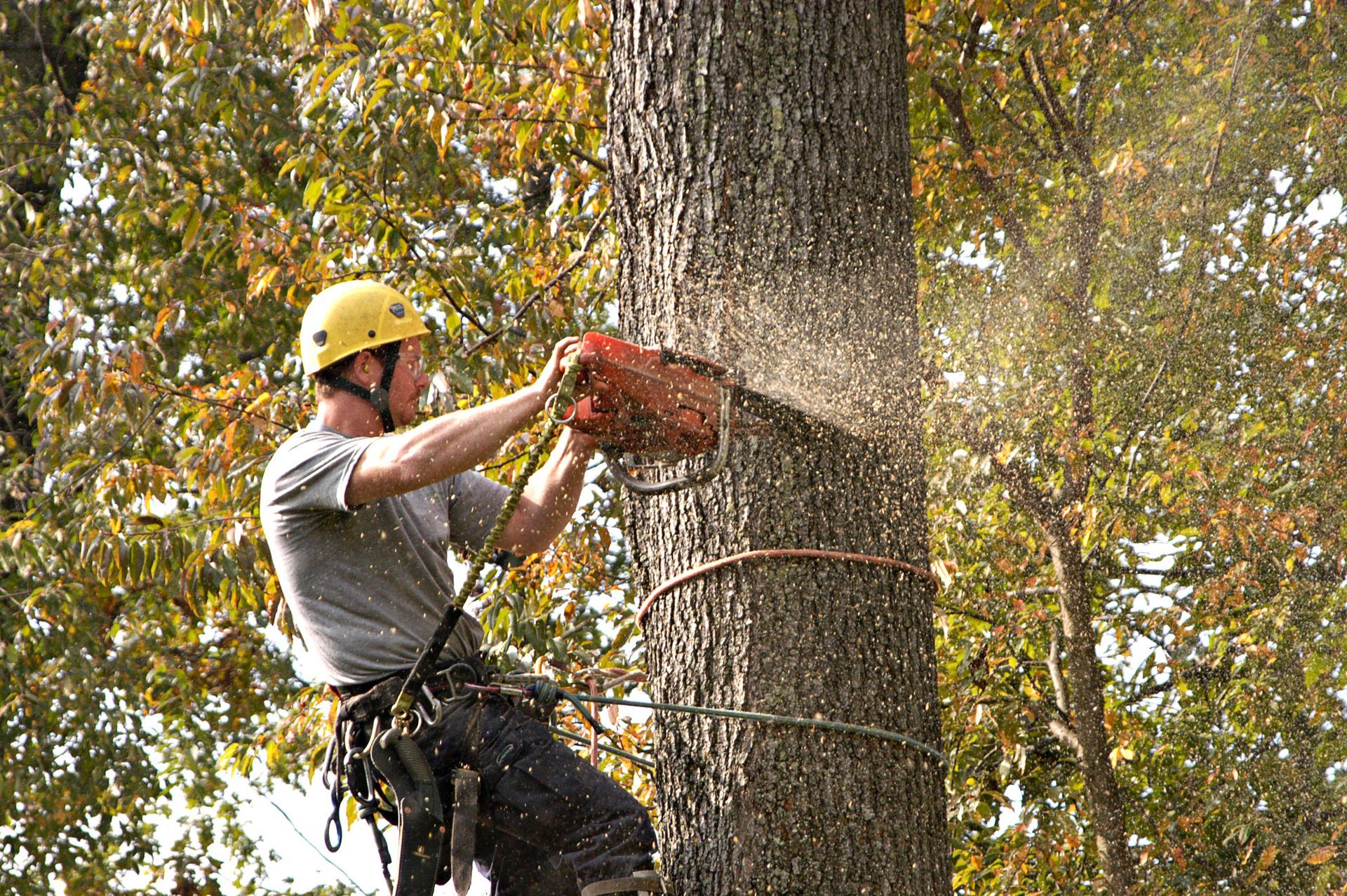
Pruning keeps trees healthy and safe, but timing and technique matter. The best time to prune depends on the species, the reason for pruning, and the local climate. Fruit trees, for example, often need pruning at specific times to support healthy growth and a good harvest. Trimming can remove dead or crossing branches, improve airflow, and keep limbs clear of roofs and power lines. Crown reduction can lessen the weight on large branches when done properly. Improper cuts can harm a tree, so pruning is best left to professionals. Removing too much at once can stress a tree and leave it more vulnerable. A tree company like ours offers tree pruning, tree trimming, fruit tree pruning, and crown reduction.
Feeding and Protecting Roots
Roots are the foundation of a tree's health, yet they're often overlooked. Compacted soil, construction, and changes in grade can all stress the root system. Fertilization can support trees that lack nutrients, though the right approach depends on soil conditions and the tree's needs, so it's wise to get advice first. Root barriers can help protect nearby pavement and structures from invasive roots. If you're planning construction near a tree, a pre-construction consultation can help protect it during the work. Healthy roots mean a healthier, more stable tree overall. Protecting the area beneath the canopy from heavy equipment and foot traffic also helps.
Watching for Summer Stress
Summer heat and dry spells can leave trees thirsty and vulnerable. Wilting leaves, early leaf drop, scorched edges, and thinning canopies can all be signs of stress. Newly planted trees are especially sensitive and may need extra attention during their first seasons. Stressed trees are also more attractive to pests and more prone to disease. Keeping an eye out for changes helps you catch trouble before it spreads. If something looks off, a professional can assess whether the cause is water, pests, disease, or something else. Early action can often save a tree that is struggling. Deep, infrequent watering during dry spells is one habit that many trees appreciate.
Preparing for Fall and Storm Season
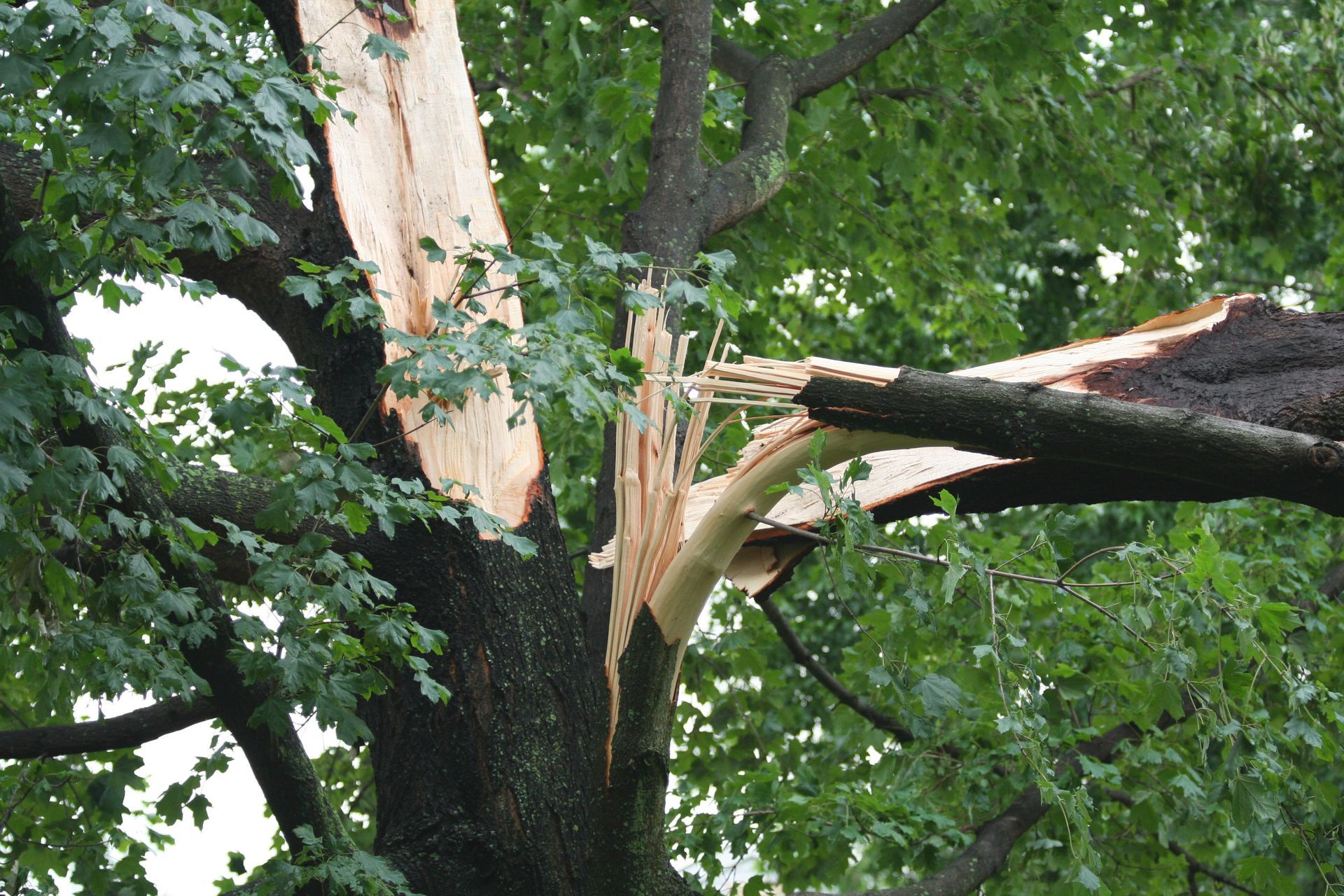
Fall is the time to prepare trees for the stress of winter weather. Removing deadwood and weak branches reduces the chance of limbs breaking in wind and ice. Cabling can add support to trees with weak or split branch unions, helping to hold them together. Clearing branches away from utility lines and structures also lowers risk. Utility line clearing is a job that should always be handled by trained crews. Storm season can bring sudden damage no matter how well you've prepared, so know who to call when it happens. We provide 24-hour emergency tree services and storm damage response. Our tree company works to keep your trees ready before the weather turns.
Recognizing When Removal Is the Right Call
Sometimes a tree can't be saved, and removal is the safest option. According to University of Maryland Extension, you should consider tree removal if 33% of the tree's interior is hollow or rotten. Other warning signs include a leaning trunk, large cracks, fungus growth at the base, and major dead sections in the canopy. Because decay often hides inside the trunk, it's hard to judge from the outside. Hollow sections, soft wood, and mushrooms near the base are all reasons to call for an evaluation. A certified arborist can inspect the tree and explain the risks. If removal is needed, a tree company like ours can handle it and follow up with stump grinding or stump removal.
Treating Wounds and Aftercare
Storms, pruning mistakes, and lawn equipment can all leave wounds on a tree. Open wounds can invite pests and decay, so they should be evaluated and treated when appropriate. A professional can clean up damaged areas, recommend wound treatment, and suggest follow-up care. Aftercare also includes watching how the tree responds in the weeks and months that follow. Some trees recover quickly, while others need more support. Documenting changes with photos helps you and your arborist track progress. Prompt care gives a damaged tree its best chance to heal. Leaving a wound untreated for months can allow decay to spread.
Choosing a Qualified Provider
Not every tree service offers the same level of skill, so it pays to ask questions. Look for a company that is licensed, bonded, and insured, and ask about the credentials of the people who will be working on your trees. ISA Certified Arborists have demonstrated knowledge in tree care and are a good sign of professionalism. Ask for a written estimate and clear explanation of the work. Free, same-day estimates can help you compare options quickly. A good provider should be willing to explain why work is needed and what alternatives exist. Our tree company is happy to answer your questions before work begins. Comparing a few companies helps you find the right fit for your property and budget.
At Kingkiner Tree Service, we've been caring for trees and the people who own them since 1997, serving Southeastern Pennsylvania, including Montgomery, Delaware, Chester, Bucks, and Philadelphia Counties. We're fully licensed, bonded, and insured, and our team includes ISA Certified Arborists. We offer tree pruning, trimming, removal, stump grinding and removal, cabling, crown reduction, fertilization, land clearing, commercial tree services, and 24-hour emergency tree services. We provide free, same-day, no-obligation estimates. Contact Kingkiner Tree Service today to request your free estimate.