November 5, 2026
Commercial tree care plays an important role in maintaining safe, attractive, and healthy landscapes. From pruning overgrown branches to removing hazardous trees, professional services help businesses and property managers protect their properties. Understanding what commercial tree companies offer, how to evaluate providers, and what safety measures to expect can help property owners make informed decisions about long-term tree maintenance.
Understanding Commercial Tree Services
Exploring Available Services
Commercial tree companies provide services that address tree health, property safety, and landscape management. Common options include pruning, tree removal, disease treatment, stump grinding, and canopy management. Pruning removes dead or overgrown branches, while removal may be necessary when a tree becomes unstable or threatens nearby structures. Disease management helps address problems before they spread to surrounding vegetation.
Specialized services also support property development and storm recovery. Stump grinding clears remaining tree bases, while emergency tree work addresses damage caused by severe weather. As demand grows, providers continue adapting their offerings to meet changing property management needs.
According to IBISWorld, through 2030, the tree trimming industry revenue is projected to increase at a CAGR of 2.1% to $43.7 billion. This projected growth highlights the continuing demand for professional tree maintenance.
Recognizing the Benefits of Tree Maintenance
Regular maintenance helps trees remain healthy while reducing risks to people and property. Properly maintained trees can improve curb appeal, provide shade, support wildlife, and contribute to better air quality. They also help manage stormwater runoff, making them valuable additions to developed landscapes.
Neglected trees may develop weak branches, structural problems, or diseases that increase the likelihood of property damage. Routine inspections allow professionals to identify these concerns before they become more serious. Commercial tree companies can recommend maintenance schedules based on tree species, age, location, and condition.
Following Industry Standards
Professional tree care requires appropriate techniques, equipment, and safety procedures. Industry guidance from organizations such as the International Society of Arboriculture (ISA) helps establish expectations for responsible tree management. Qualified providers assess tree structure, consider surrounding hazards, and select methods suited to each situation.
Proper practices protect workers, clients, and nearby structures. Incorrect pruning can weaken a tree, while improper removal techniques can endanger people and property. Providers should explain their recommendations and describe how the proposed work addresses the identified concerns.
Verifying Credentials and Qualifications
Credentials can help property owners evaluate a provider's knowledge and commitment to professional standards. ISA-certified arborists have demonstrated relevant knowledge of tree care, although certification alone does not guarantee the quality of every service. Property owners should also verify applicable business licenses, local permits, and other requirements before work begins.
Some projects, particularly large removals or work near protected trees, may require municipal approval. Confirming these requirements helps prevent delays and compliance problems. Clients should ask about relevant qualifications and experience when reviewing proposals from commercial tree companies.
Choosing the Right Commercial Tree Company
Evaluating Company Reputation
A provider's reputation offers useful insight into its reliability, communication, and work quality. Property owners can review online feedback, ask colleagues for recommendations, and check professional affiliations. Consistent comments about punctuality, clear estimates, and thorough cleanup may indicate a dependable service experience.
References can provide additional context about how a company handles similar projects. Ask about responsiveness, adherence to agreed timelines, and its approach to unexpected challenges. Professional communication before a contract is signed can also indicate how the working relationship may proceed.
Comparing Service Costs and Proposals
Obtaining multiple estimates helps property owners understand the expected cost of tree work. However, the lowest price is not always the best value. Proposals should clearly describe the work, equipment requirements, debris removal, cleanup, and any additional charges.
Comparing estimates makes it easier to identify meaningful differences. One provider may include stump grinding or hauling, while another may charge separately for those services. Commercial tree companies should provide clear explanations of their pricing and recommended services.
Confirming Insurance and Liability Coverage
Tree work involves substantial risks, including falling branches, equipment accidents, and property damage. Before hiring a provider, request proof of appropriate general liability insurance and workers' compensation coverage where applicable. Confirm that the policies are current and suitable for the planned work.
Property owners should also ask how the company manages projects near buildings, vehicles, utility lines, and public walkways. A provider that explains its insurance and safety procedures demonstrates attention to risk management and client protection.
Understanding Contract Terms
A written agreement should identify the project scope, pricing, expected schedule, payment terms, and cleanup responsibilities. It should also explain how changes to the original plan will be approved and billed. Clear documentation helps both parties understand their obligations.
Before signing, confirm whether the proposal includes permits, debris disposal, stump removal, or follow-up visits. Ask questions about unclear terms and request written clarification when needed. Commercial tree companies should be willing to explain exactly what the agreement covers.
Managing Tree Work Safety and Risk
Identifying Common Worksite Hazards
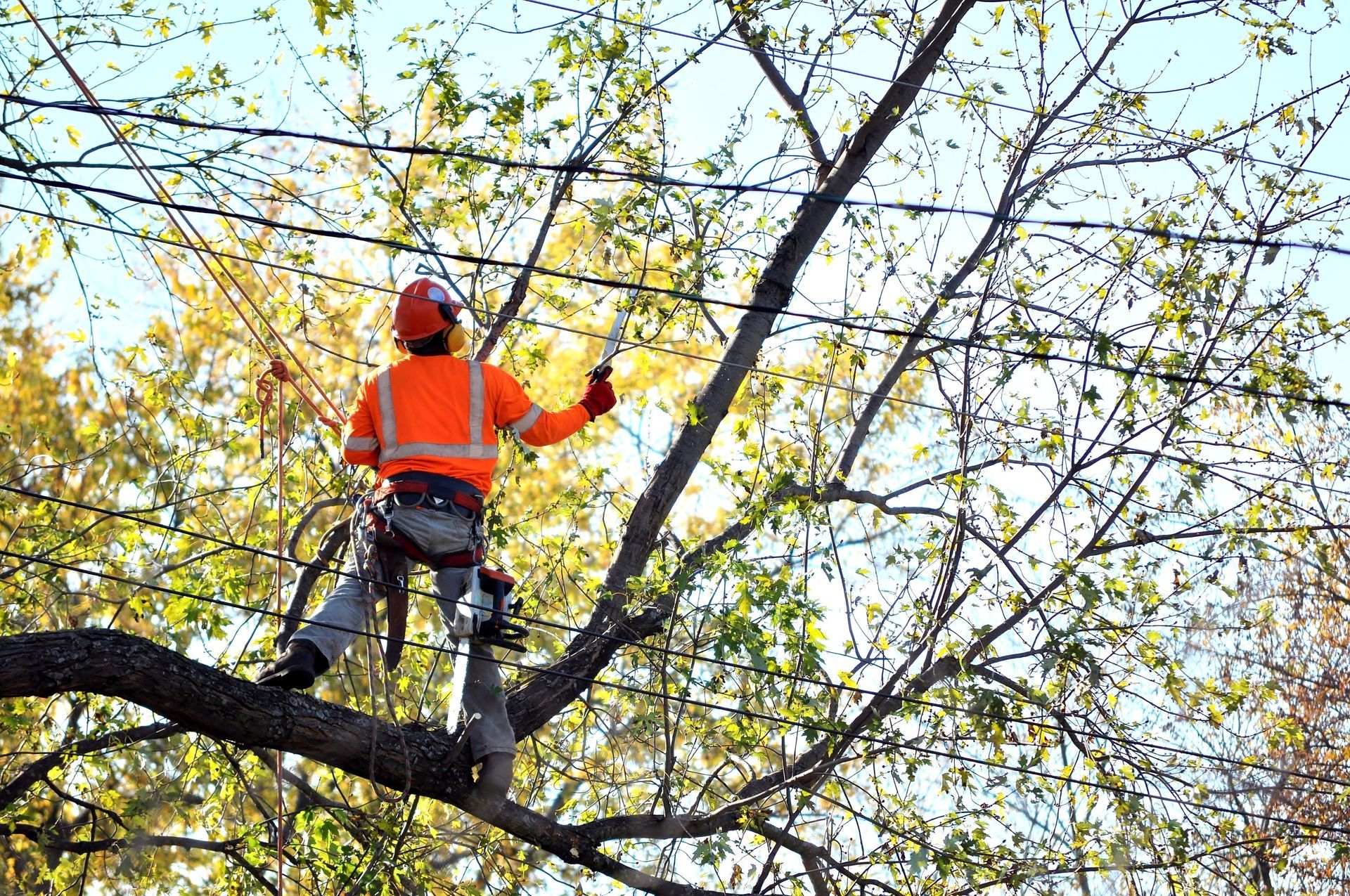
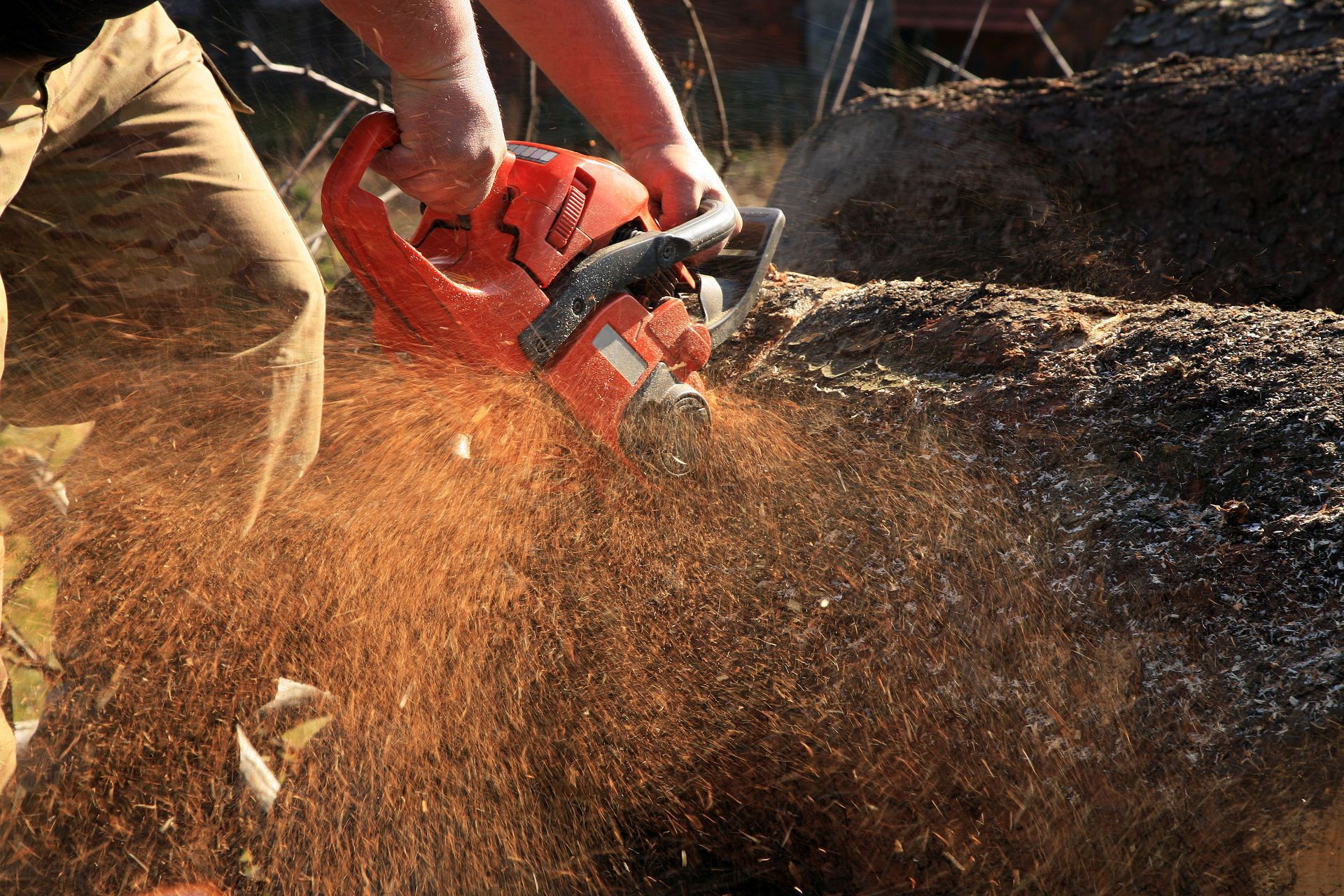
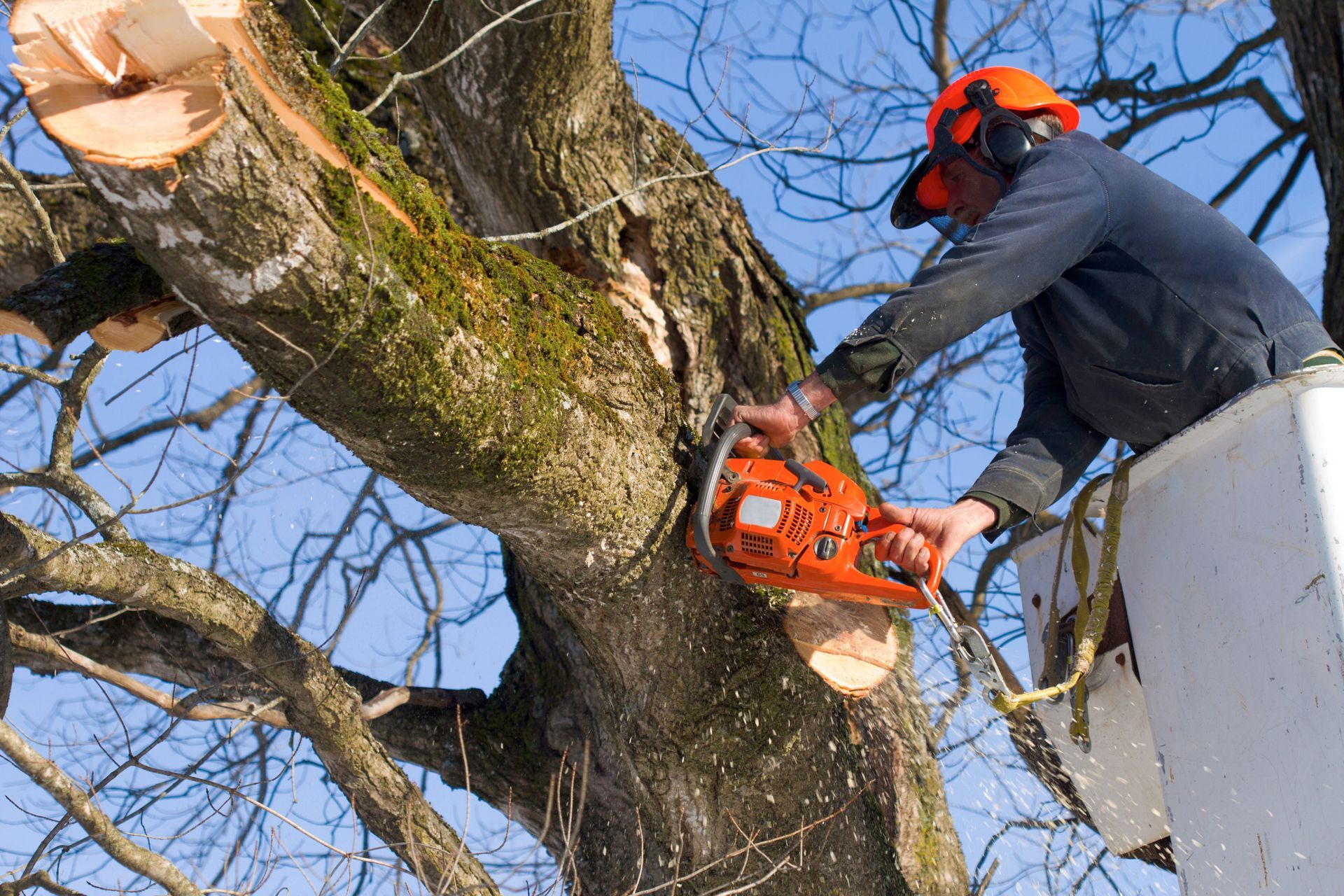
Tree maintenance can involve working at significant heights, operating chainsaws, handling heavy equipment, and controlling falling limbs. Additional hazards include unstable trees, uneven ground, severe weather, and nearby electrical lines. Each job requires an assessment of conditions before work begins.
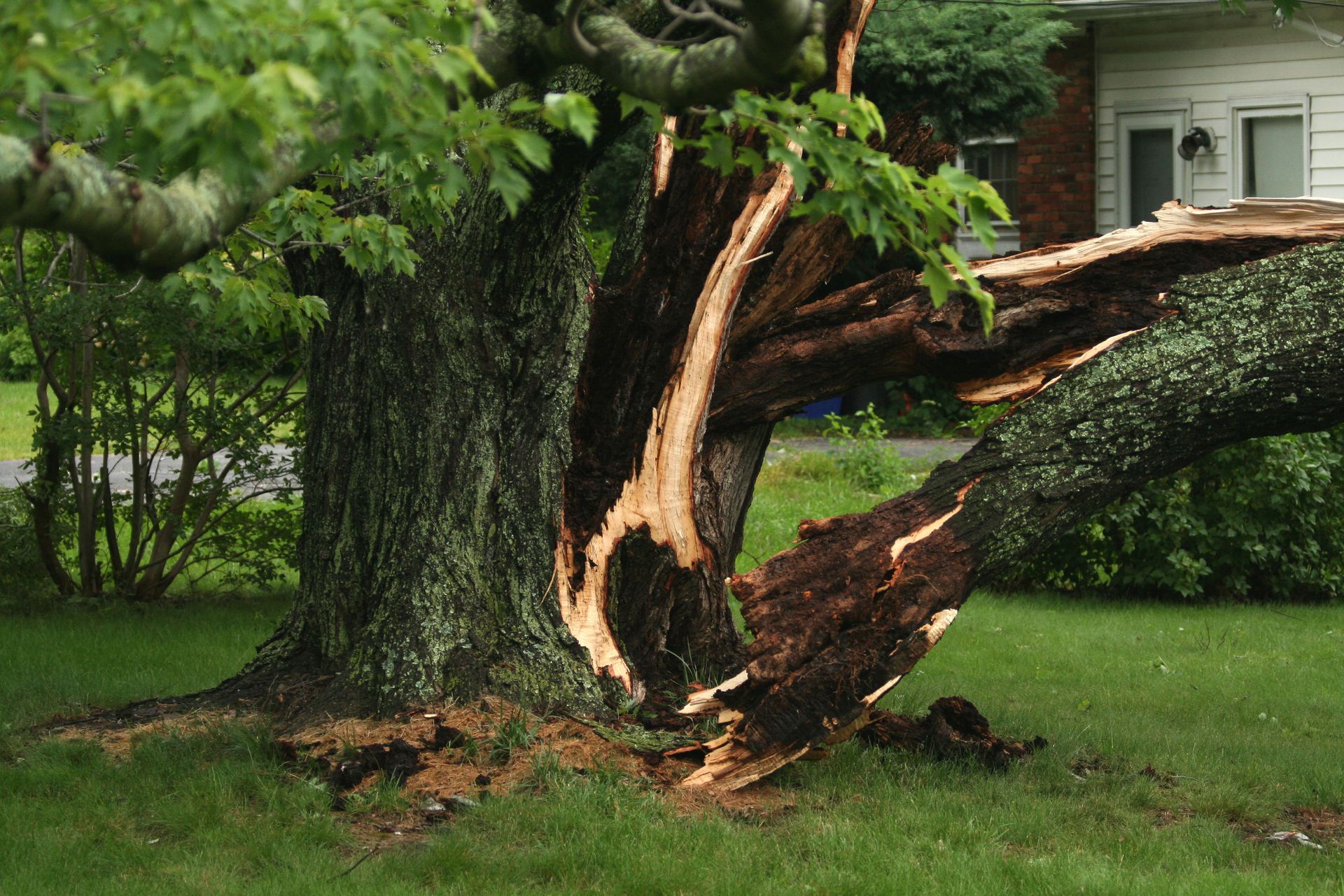
Diseased or storm-damaged trees may behave unpredictably, making removal particularly challenging. Professionals should evaluate structural weaknesses and determine how branches or trunks can be handled safely. Work near roads, buildings, and pedestrian areas may also require barriers or temporary access restrictions.
Implementing Safety Protocols and Training
Effective safety programs include worker training, equipment inspections, protective gear, and emergency procedures. Depending on the task, personal protective equipment may include helmets, eye protection, hearing protection, gloves, and appropriate footwear. Workers also need training in equipment operation and hazard recognition.
Worksite controls are equally important. Crews may establish exclusion zones, use clear communication signals, and redirect pedestrians away from dangerous areas. These precautions help protect employees, customers, tenants, and visitors.
Property owners should look for commercial tree companies that explain their safety procedures and take reasonable steps to protect surrounding areas. Proper planning improves efficiency while reducing the likelihood of injuries and property damage.
Preparing for Emergency Tree Work
Storms and unexpected tree failures can create urgent hazards. Fallen limbs may block entrances, damage roofs, or obstruct driveways, while unstable trees may threaten nearby structures. Emergency response requires careful assessment before crews begin removing debris or damaged wood.
Trees resting on power lines should be reported to the appropriate utility provider. People should remain clear of the affected area rather than attempting to remove dangerous branches themselves. For less urgent concerns, scheduled inspections and preventive pruning can help reduce some storm-related risks.
Planning for Long-Term Tree Care
Establishing a Maintenance Schedule
A consistent maintenance plan helps property owners address tree care needs before problems become urgent. Inspection frequency depends on factors such as tree condition, species, site exposure, and nearby structures. Properties with mature trees or heavy pedestrian traffic may require more frequent assessments.
Professional recommendations may include pruning, monitoring disease symptoms, evaluating root-zone conditions, and identifying trees that need further attention. Keeping records of inspections and completed services helps managers track recurring concerns and budget for future work.
Prioritizing Sustainable Property Management
Long-term tree care balances safety, appearance, environmental benefits, and operating costs. Preserving healthy trees where practical can support shade and wildlife while maintaining an attractive landscape. When removal is unavoidable, replacement planting and appropriate species selection can help restore some of those benefits.
Choosing qualified professionals, maintaining clear contracts, and scheduling regular assessments gives property owners a practical foundation for responsible tree management.
For professional tree care, property owners can contact Kingkiner Tree Service to discuss their needs, evaluate potential hazards, and plan appropriate maintenance. Working with an experienced team can help keep commercial landscapes well-maintained while addressing tree-related concerns responsibly.