May 12, 2026
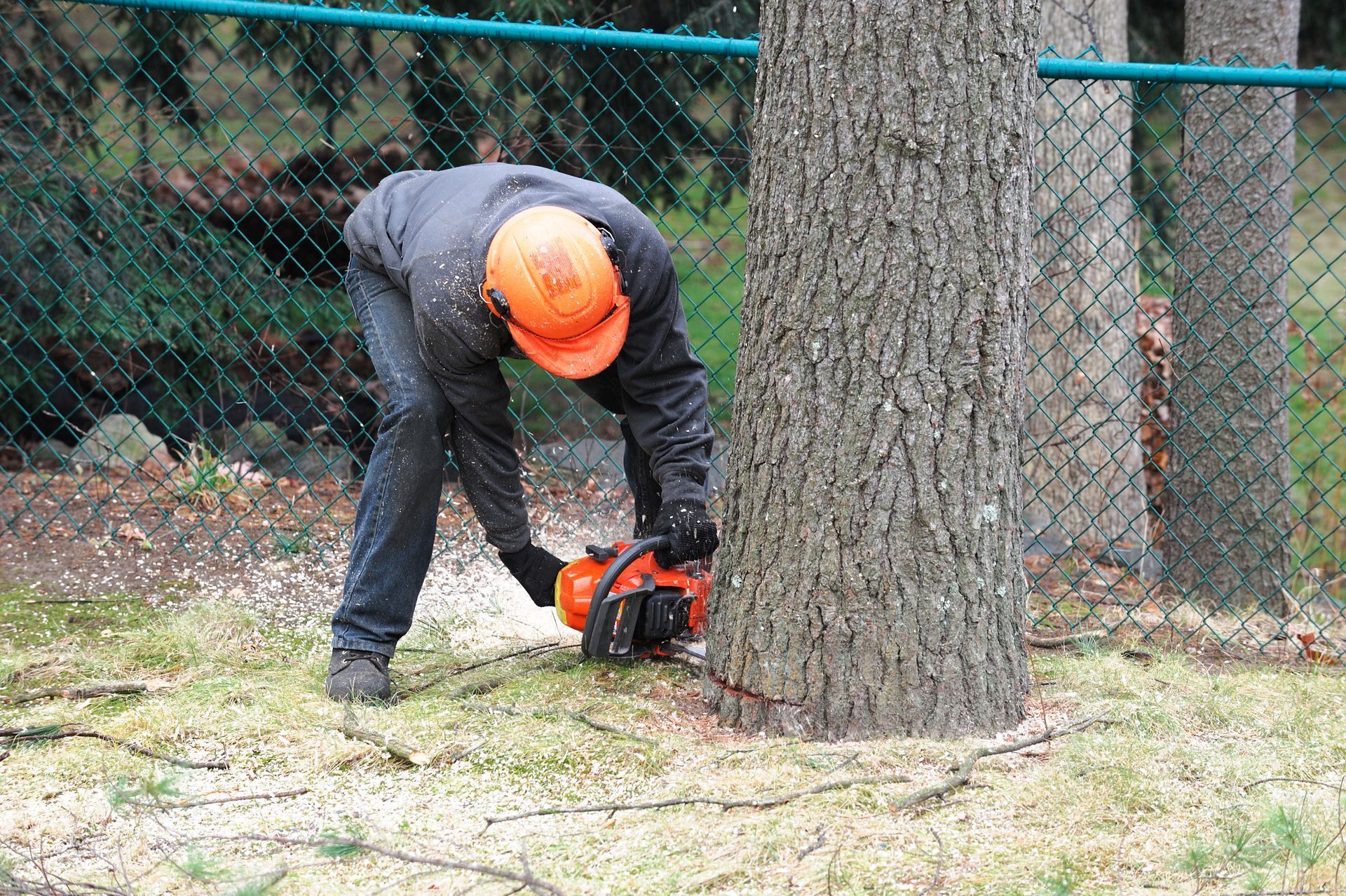
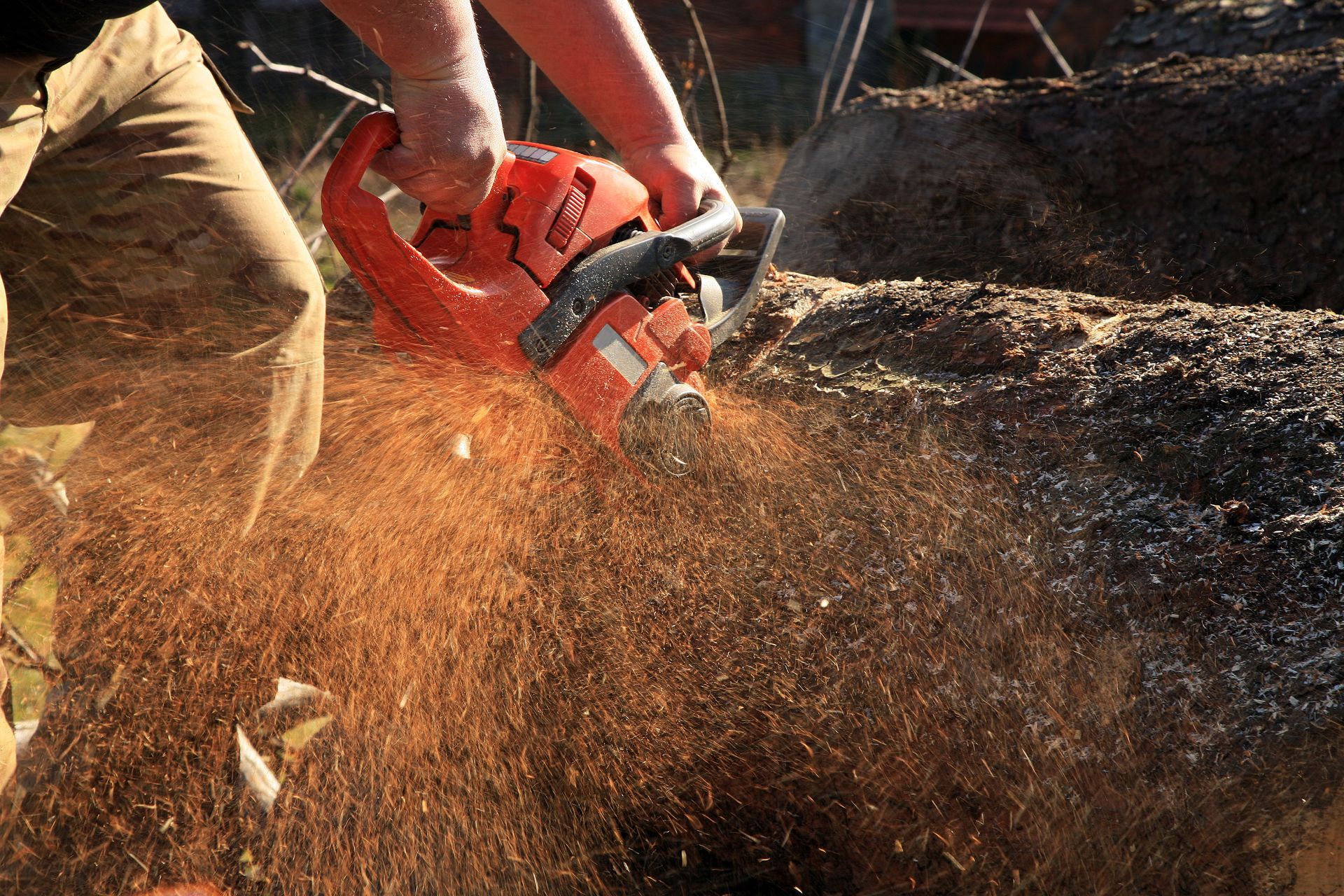
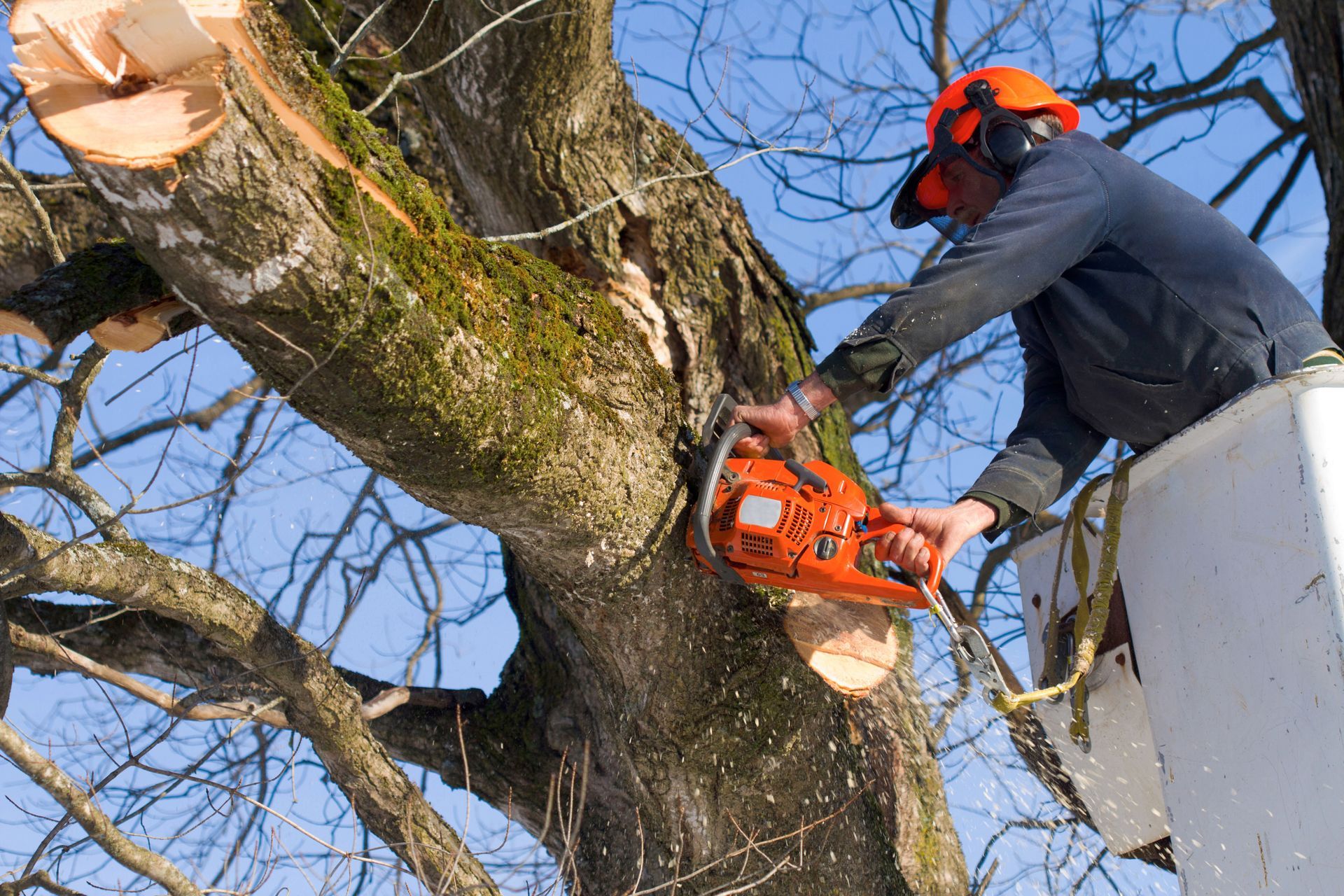
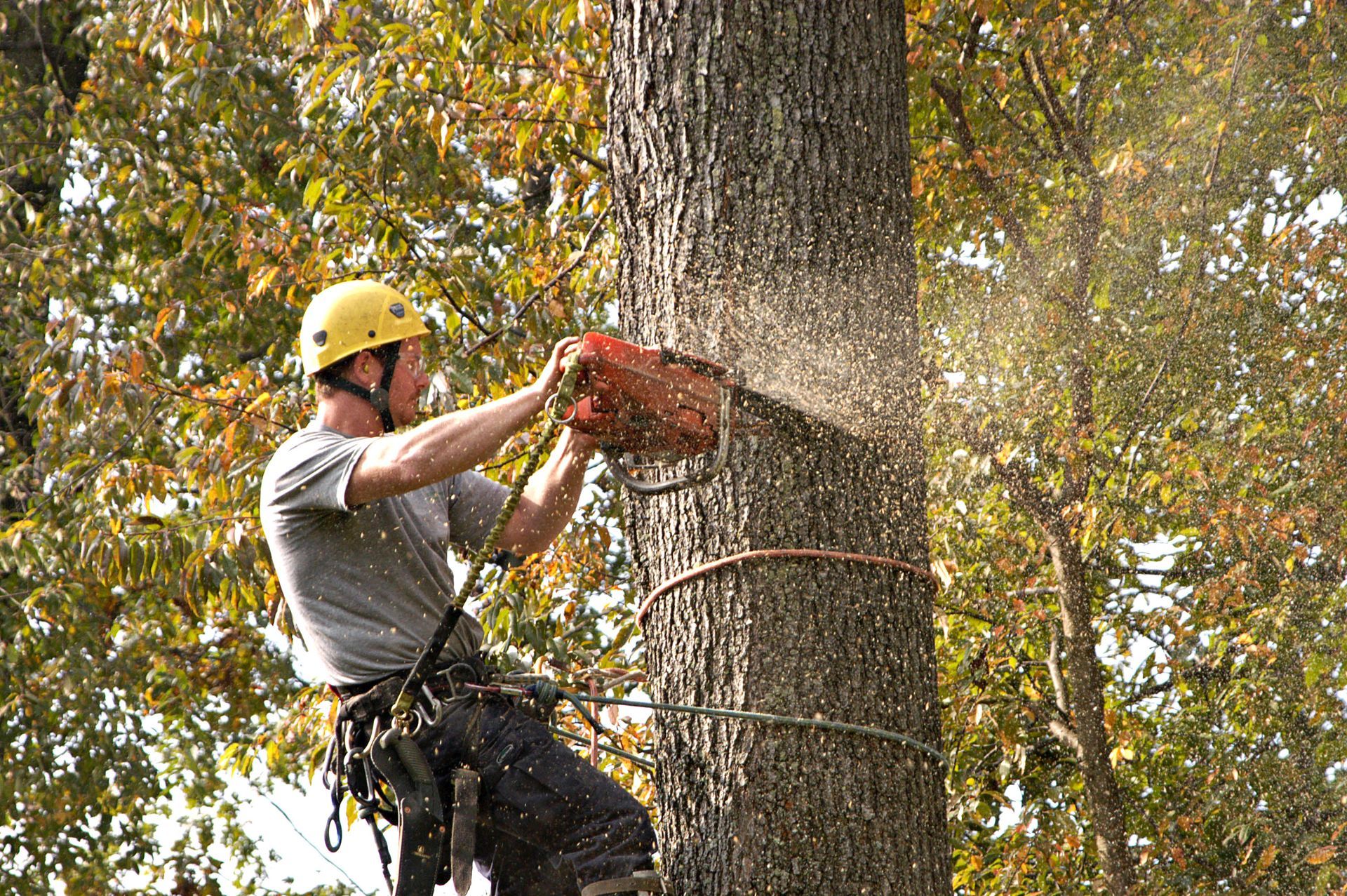
Trees add beauty, shade, and environmental value to residential spaces, but they can also create safety concerns when they become damaged, diseased, or unstable. In many cases, managing these risks requires professional attention and timely action. This is where local tree removals become an important part of maintaining a safe property. By addressing hazardous trees early, homeowners can reduce the chance of damage, injury, and long-term structural issues.
This guide explains how local tree removals support safer outdoor environments by addressing tree health risks, protecting property, improving personal safety, and ensuring compliance with local rules. When done responsibly, tree removal helps maintain a balance between natural beauty and residential safety while supporting healthier landscapes overall.
Understanding Hazardous Trees
Signs of Tree Decay
Decaying trees often show visible warning signs such as brittle branches, discolored leaves, and fungal growth on trunks or roots. These symptoms indicate structural weakening that may lead to sudden failure during storms. Regular monitoring helps identify when local tree removals may be necessary to prevent property damage or safety hazards before conditions worsen.
Pest Infestations
Insects like beetles and borers can weaken a tree from the inside, making it unstable over time. Signs include small holes in bark, sawdust near the base, or thinning canopies. When infestations spread, local tree removals may be required to protect nearby vegetation and prevent further damage to surrounding trees and landscaping.
Leaning and Root Problems
A tree that begins leaning significantly may indicate root instability or soil disruption. Cracked soil, exposed roots, or shifting ground are common warning signs. These issues reduce stability and can increase the likelihood of collapse, especially during storms or heavy rainfall, making evaluation and potential removal necessary.
Weather-Related Risks
Severe weather often worsens existing tree weaknesses, leading to broken limbs or full tree failure. Wind, snow, and ice can all contribute to these risks. In some cases, removal is the safest option, and local tree removals may be coordinated with utility providers to maintain safe clearance around electrical infrastructure.
This helps ensure compliance with safety standards and reduces unexpected storm damage. It also supports long-term property protection by reducing the likelihood of emergency tree failures during extreme weather events.
Preventing Property Damage
Structural and Roof Protection
Overhanging branches can cause serious roof damage if they fall during storms or heavy snow. This can also lead to leaks and interior issues. Managing growth through trimming or local tree removals helps reduce long-term repair costs and protects home structures from avoidable damage.
Driveways, Fences, and Foundations
Tree roots can shift soil and create cracks in driveways or weaken foundations over time. Fences may also be damaged by expanding roots or falling branches. In some situations, local tree removals are considered to prevent ongoing structural impact and reduce future repair needs.
Utility Line Safety
Trees growing near power lines can create fire risks and service interruptions. Regular maintenance is required to reduce these hazards. In some cases, removal is the safest option, and local tree removals may be coordinated with utility providers to maintain safe clearance around electrical infrastructure.
Enhancing Personal Safety
Falling Branch Prevention
Weak branches can fall without warning, especially during storms or high winds. This creates risks for people, vehicles, and outdoor spaces. Regular inspection and maintenance help reduce these dangers, and in higher-risk cases, local tree removals may be recommended to ensure safer surroundings.
Outdoor Living and Play Areas
Yards, patios, and play areas should remain free from unstable trees and debris. Maintaining clear spaces reduces injury risks and improves usability. When trees become hazardous near these areas, local tree removals can help restore safety and allow families to use outdoor spaces with confidence.
Maintaining Healthy Ecosystems
Tree Balance and Preservation
Not all trees need removal, and maintaining balance is important for ecosystem health. Healthy trees provide environmental benefits, while hazardous ones may need attention. Selective local tree removals help preserve overall landscape stability while allowing stronger trees to thrive.
Disease Control
Tree diseases can spread quickly through roots, bark, or insects. Removing infected trees helps prevent wider damage to surrounding vegetation. In these cases, local tree removals support healthier landscapes by stopping the spread of disease before it becomes widespread.
Native Growth Support
Removing invasive or unhealthy trees can create space for native species to grow. This supports biodiversity and improves long-term landscape stability. Thoughtful local tree removals can help restore natural balance and encourage healthier plant development.
Regulatory and Environmental Compliance
Local Rules and Permits
Tree removal is often regulated to protect environmental resources and community landscapes. Homeowners may need permits depending on tree size or location. Following these requirements ensures compliance and responsible property management while planning local tree removals. According to Fixr, many local governments limit tree removal for residential and commercial properties when trees exceed 10 feet in height or 60 inches in circumference, requiring a permit. These regulations help ensure tree management follows local environmental and safety standards.
Waste and Disposal Requirements
Proper disposal of removed trees is important to avoid environmental issues and pest problems. Many areas require recycling or approved disposal methods. Responsible handling is an important part of completing local tree removals in a compliant and environmentally conscious way.
Environmental Protection Practices
Environmental guidelines help preserve ecosystems during tree work. These may include protecting habitats and avoiding unnecessary disruption. Working within these standards ensures that local tree removals are completed responsibly and with minimal environmental impact.
Cost-Benefit Considerations
Repair vs Removal Costs
While removal has upfront costs, it can prevent expensive damage later. Broken structures, foundation issues, and emergency repairs often cost more than planned action. In many cases, local tree removals provide long-term financial savings by preventing larger problems.
Property Value Impact
Well-maintained landscapes can improve property appeal, while hazardous trees may reduce it. Removing unsafe trees can help maintain curb appeal and support long-term value stability. Strategic local tree removals contribute to a safer and more visually balanced property.
Preventing Future Expenses
Addressing tree risks early helps reduce the chance of future emergencies. This includes avoiding damage-related costs and liability issues. Proactive local tree removals support better financial planning by reducing unpredictable repair expenses.
When to Call Professionals
There are situations where tree risks go beyond basic maintenance and require professional evaluation. If a tree shows rapid decline, severe leaning, or large dead limbs, it is often a sign that intervention is needed. In these cases, local tree removals may be the safest option to prevent sudden failure and protect nearby structures.
Professional assessment also helps ensure the correct approach is used for each situation. Certified arborists can determine whether trimming, treatment, or full removal is appropriate based on the tree’s condition. This guidance helps homeowners make informed decisions and ensures local tree removals are carried out safely and responsibly when necessary.
Trees are valuable parts of any landscape, but they require careful management to remain safe and beneficial. When risks appear, addressing them through maintenance or removal is often necessary. Local tree removals play an important role in reducing hazards, protecting structures, and supporting healthier outdoor environments. They also help homeowners maintain long-term stability and reduce avoidable property risks.
By understanding tree health, property risks, and local regulations, homeowners can make informed decisions that balance safety and preservation. When managed properly, local tree removals help create safer, more stable, and more sustainable residential spaces while maintaining the natural benefits trees provide. For more information, contact Kingkiner Tree Service.