April 1, 2026
Tree trimming may seem like a simple household task, but it involves complexities and safety considerations that often go unnoticed. Many homeowners believe they can handle trimming themselves; however, DIY efforts carry serious risks, including injury, property damage, and long-term harm to trees. Understanding these risks and recognizing the expertise that professional tree companies provide can help homeowners make informed decisions.
1. Understanding the Risks of DIY Tree Trimming
A. Physical Hazards
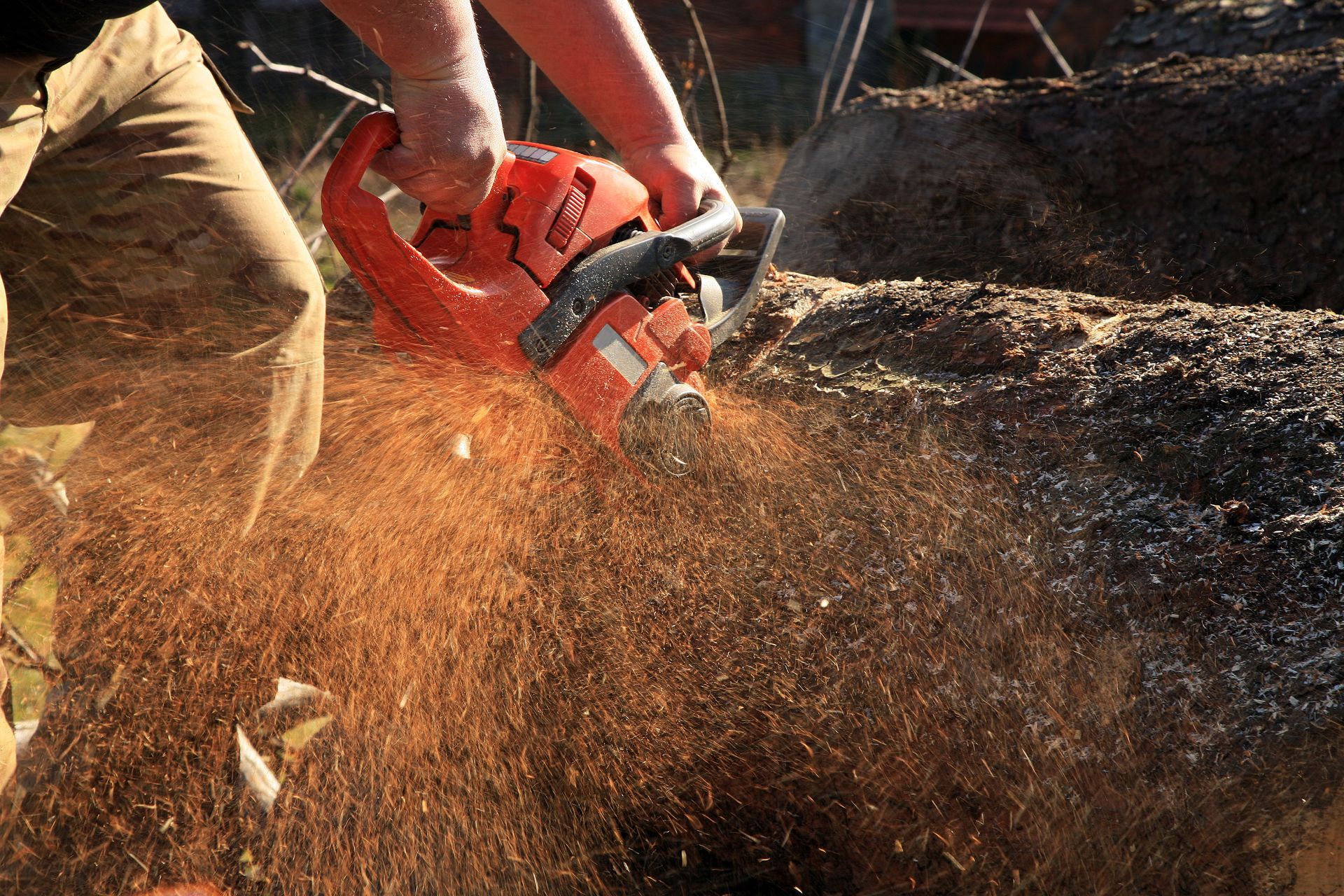
Tree trimming involves more than cutting branches; it demands balance, precision, and awareness. Falls from ladders or heights are common without proper support. Misusing chainsaws or saws can result in severe injuries. These hazards affect not only the person trimming but also anyone nearby, making DIY efforts potentially dangerous.
B. Environmental Risks
Improper trimming can harm trees and surrounding ecosystems. Amateur techniques may damage trees permanently, reduce their lifespan, or spread disease to healthy plants. Understanding tree biology is critical; neglecting this can compromise both the tree and the local environment.
C. Lack of Proper Equipment
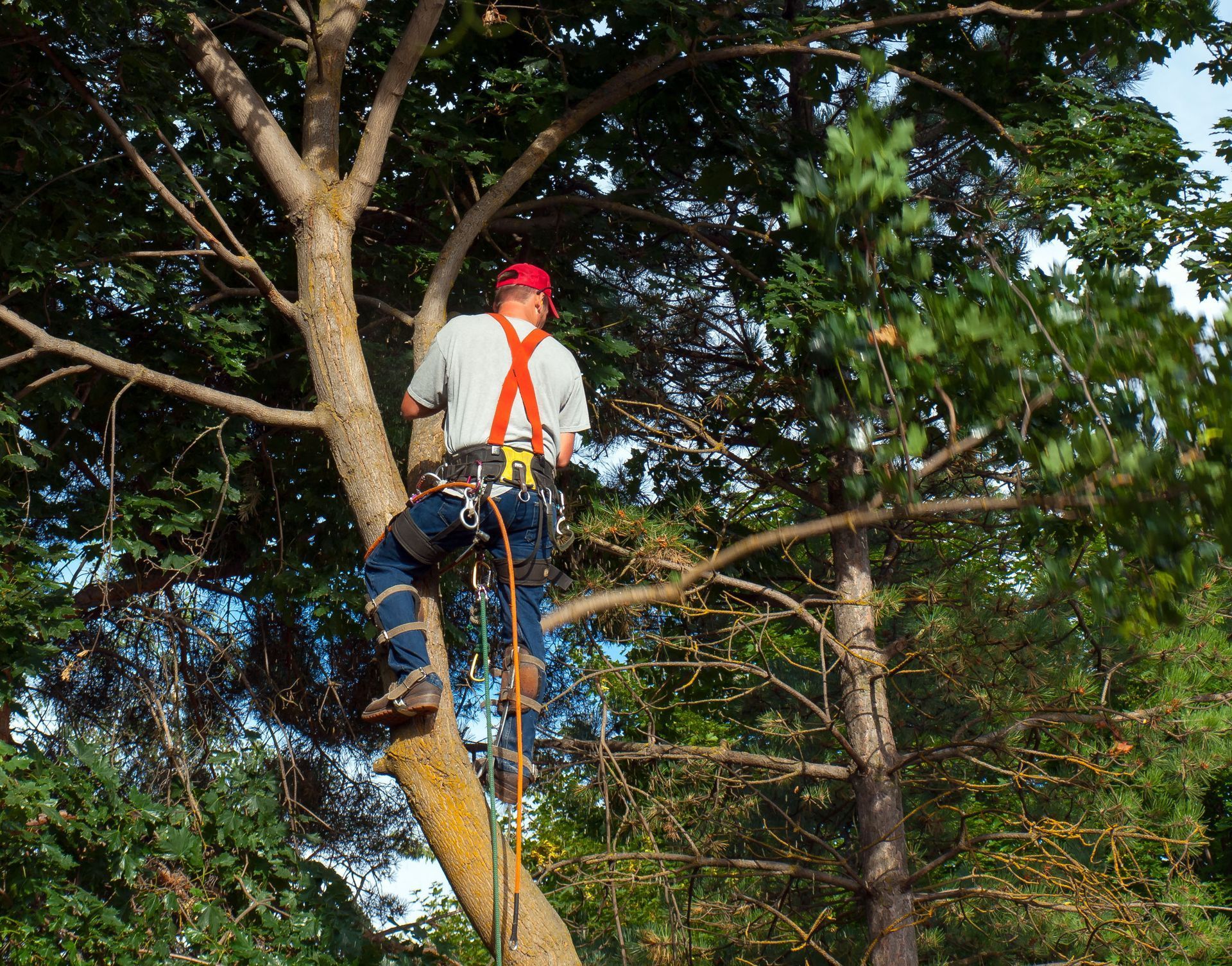
Professional tree trimmers use specialized tools like pole pruners, safety harnesses, and ladders. Homeowners without these tools risk incomplete or unsafe work. Using the wrong equipment can increase accidents and reduce trimming efficiency.
D. Insufficient Training
Professionals possess training and experience that ensure proper techniques and judgment. They know various tree species, how they grow, and how to trim them safely. DIY attempts often overlook these critical factors, leading to mistakes and hazards. Hiring a trained tree company ensures quality work is done the first time.
E. Legal Implications
DIY trimming can also involve legal risks. Homeowners may unknowingly violate local ordinances or homeowners’ association rules. Accidents causing injury or property damage can result in liability issues. Professional tree companies are insured and comply with local regulations, reducing legal risks and providing peace of mind.
2. Benefits of Hiring Professional Tree Trimmers
A. Expert Knowledge and Skills
Professional tree companies bring specialized expertise to every job. They understand tree biology and growth patterns, enabling cuts that promote health and longevity. They can identify disease or decay early, something amateurs may miss. This expertise ensures effective trimming while reducing risks.
B. Access to Specialized Equipment
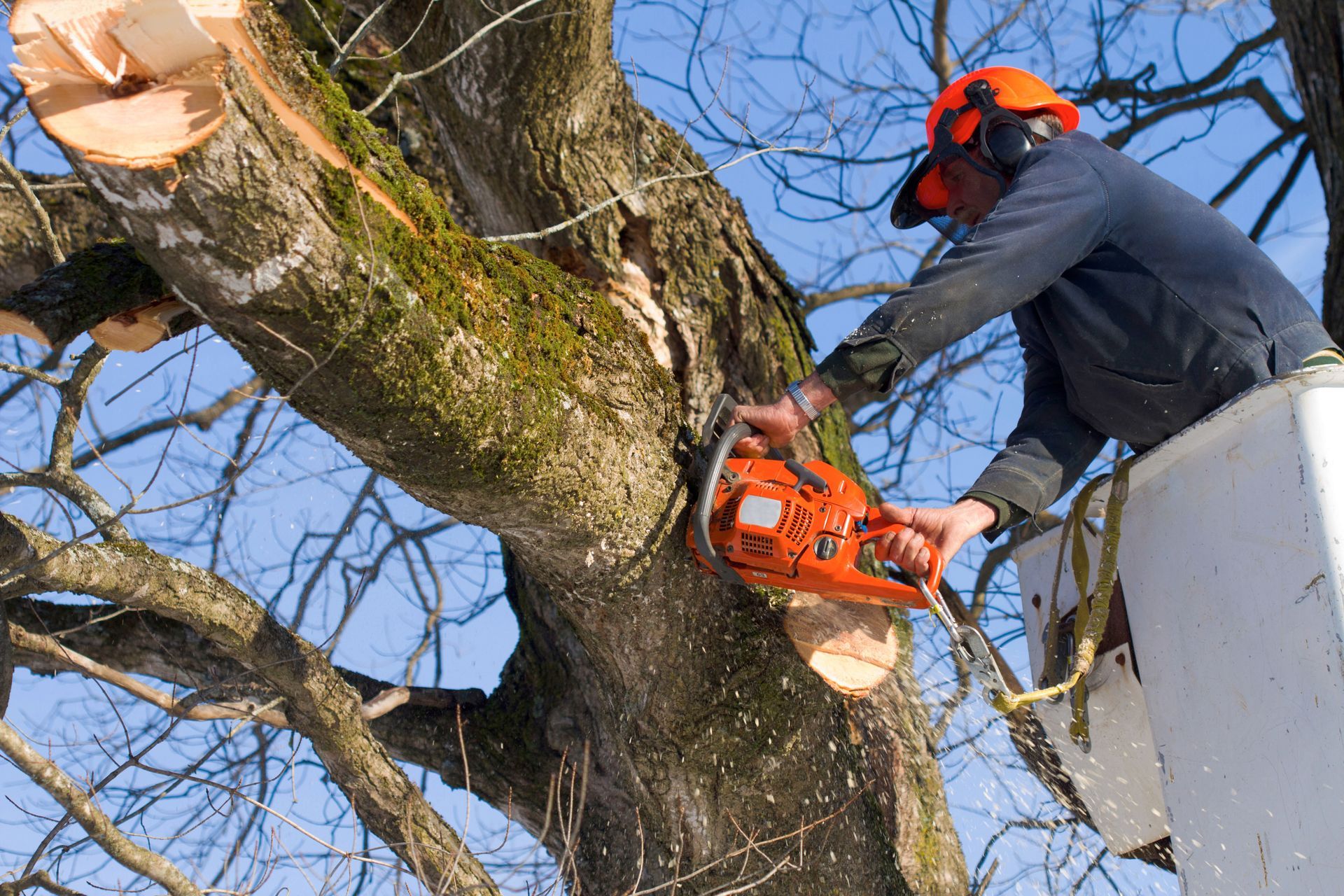
Professionals use advanced tools, including chainsaws, pole pruners, and cranes for high branches. These tools ensure clean cuts and efficient work, which would be difficult or unsafe for homeowners attempting DIY trimming. Proper tools also make the process cost-effective over time.
C. Safety Protocols
Professional services follow strict safety protocols. Risk assessments, protective gear, and emergency procedures minimize hazards. This adherence to safety ensures that tree trimming is conducted efficiently while protecting both workers and property.
D. Efficient and Effective Service
Professionals complete tasks faster without sacrificing quality. What might take an amateur an entire weekend can be done in hours by experts. They also provide thorough clean-up, leaving properties safe and tidy. Efficiency combined with experience ensures the tree’s health is preserved.
E. Long-term Tree Health
Proper trimming maintains the structural integrity and longevity of trees. Professionals perform targeted cuts that reduce disease risk and strengthen the tree. Poor trimming can weaken trees, making them susceptible to pests or storm damage. Using a tree company ensures sustainable growth and a healthier ecosystem.
3. Cost Analysis: DIY vs. Professional Services
A. Initial Cost Comparison
Hiring a professional tree company may seem expensive initially, but it covers labor, expertise, and equipment. DIY efforts often require renting or purchasing tools, adding hidden costs that may exceed professional service fees. Professionals provide comprehensive solutions, including trimming and debris removal.
B. Hidden Costs and Risks
Mistakes during DIY trimming can result in property damage, tree loss, or personal injury, all of which carry high costs. Professional services are insured, covering such risks within the service charge and avoiding unexpected financial burdens.
C. Long-term Financial Implications
Professional tree care can prevent future expenses. Healthy, well-maintained trees add property value and require less frequent intervention. Professionals also provide guidance on tree care, reducing long-term costs through preventive strategies.
D. Value of Investment
Investing in a professional tree company offers peace of mind and reliable results. Guarantees, follow-ups, and consistent care improve both aesthetics and safety. The long-term benefits extend beyond financial considerations, ensuring healthier trees and safer environments.
E. Insurance and Liability
Professional tree companies carry insurance, protecting clients from liability in case of accidents or damage. DIY attempts expose homeowners to financial responsibility for injuries or property damage, making professional services a safer investment overall.
4. Real-life Stories and Case Studies
A. Accidents from DIY Attempts
Numerous incidents illustrate the dangers of DIY trimming, from severe falls to property damage. Near-misses highlight how quickly things can go wrong without professional oversight. These examples reinforce why safety and expertise are essential.
B. Success Stories from Professionals
Professional interventions often save trees damaged by improper trimming. In cases of diseased or hazardous branches, experts remove threats safely and efficiently, restoring tree health and aesthetics. Such successes demonstrate the tangible benefits of hiring a tree company.
C. Client Testimonials
Clients often praise professional services for efficiency, thorough clean-up, and shared knowledge about tree care. Satisfied customers note the value of safety, quality, and communication, reinforcing the advantages of professional over DIY services.
D. Lessons from Tragedies
Tragic DIY accidents underscore the importance of professional training, proper equipment, and safety adherence. These events highlight the risks of ignoring expertise and the necessity of using insured professionals for tree care.
E. Community and Environmental Impact
Professional tree trimming enhances neighborhoods and environmental health. Healthy trees improve aesthetics, increase property values, and support local biodiversity. Tree companies often educate communities on sustainable care, promoting ecological stewardship beyond individual properties.
5. Evaluating Professional Tree Trimming Services
A. Choosing the Right Provider
Selecting a tree company requires evaluating reputation, experience, and service scope. Transparent pricing and clear communication indicate a reliable provider. Matching the company’s expertise to specific tree types ensures safe and satisfactory results.
B. Credentials and Certifications
Credentials and certifications, such as from the International Society of Arboriculture (ISA), reflect professional knowledge and adherence to safety standards. Certified tree companies demonstrate commitment to quality and competence.
C. Understanding Services and Pricing
Tree companies offer varied packages, from basic trimming to comprehensive tree assessments and disease treatments. Transparent pricing ensures clients understand costs upfront, avoiding surprises while aligning services with needs.
D. Customer Service
Effective communication, responsiveness, and post-service support are vital. Strong customer service ensures satisfaction and reliability, reflecting a company’s commitment to excellence.
E. Long-term Partnerships
Establishing ongoing relationships with a tree company provides consistent maintenance and potential discounts. Familiarity with trees’ history allows personalized care, improving service quality and long-term results.
6. Future Trends in Tree Trimming Services
A. Technological Advancements
Drones, GPS-guided equipment, and digital imaging enhance tree assessments, improve accuracy, and reduce labor risks. Technology streamlines operations, enabling tree companies to deliver efficient, precise services.
B. Environmental Sustainability
Tree care is increasingly focused on sustainability. Practices like organic pest control, recycling wood waste, and minimizing ecological disruption are becoming standard. Professional companies balance efficient trimming with environmental responsibility.
C. Training and Professional Development
Ongoing education ensures arborists stay updated on techniques, safety, and technology. Continuous professional development improves service quality, allowing companies to handle evolving tree care challenges.
D. Regulatory Standards
New regulations focus on safety, equipment standards, and environmental impact. Professional tree companies adhere to these standards, promoting consistent quality and responsible care practices.
E. Market Growth and Economic Impact
According to IBISWorld, there are 175,000 tree trimming services in the United States, reflecting robust industry growth. Increasing urbanization and awareness of tree health drive demand for professional tree care, highlighting the economic and ecological importance of this industry.
Professional tree trimming is essential for safety, efficiency, and the long-term health of trees. DIY attempts expose homeowners to injury, property damage, and legal risks. Hiring a professional tree company ensures expertise, proper equipment, and insurance coverage, safeguarding both property and tree health. Moreover, professionally maintained trees contribute to community aesthetics, environmental sustainability, and property value. For more information, contact Kingkiner Tree Service today.