November 20, 2026
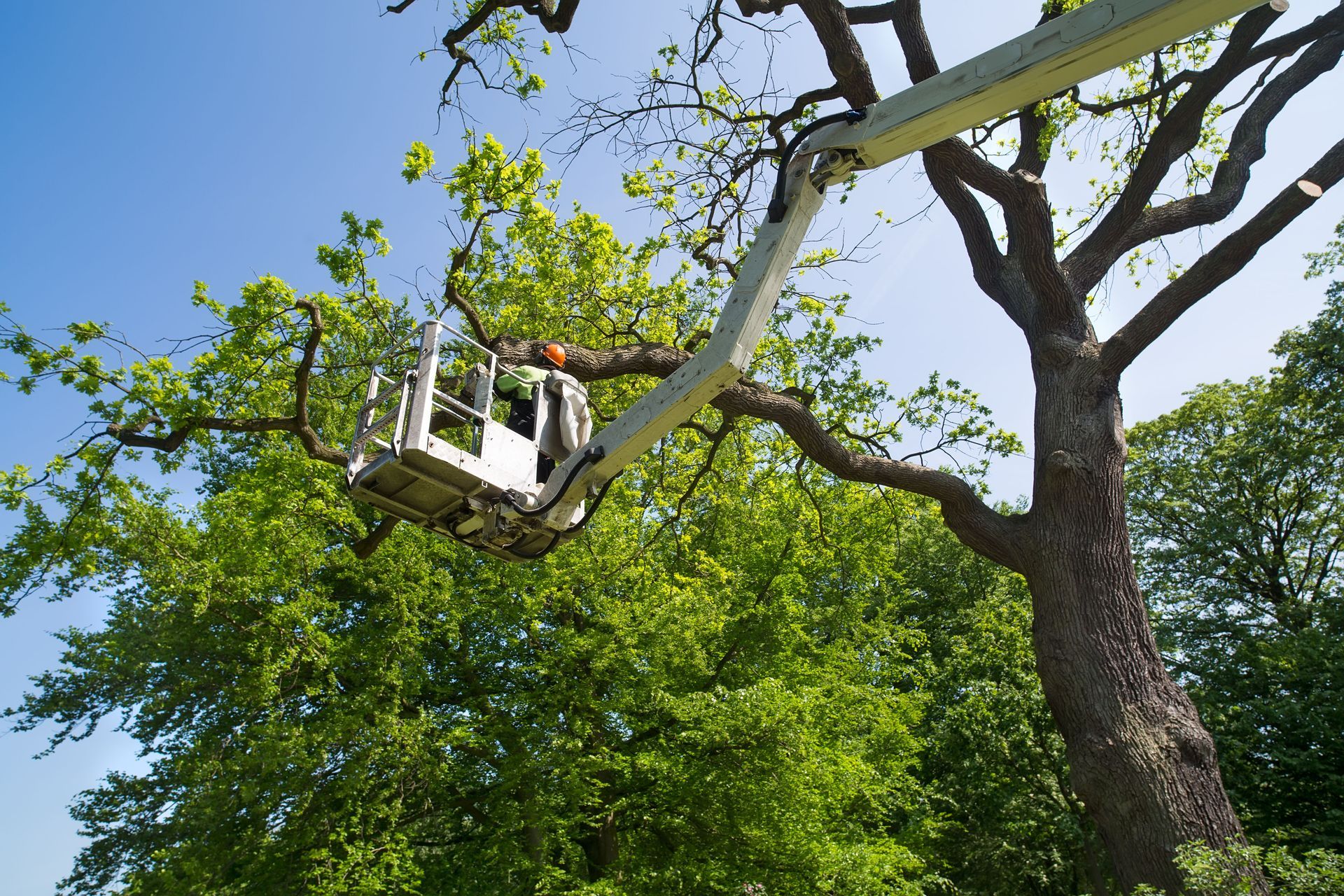
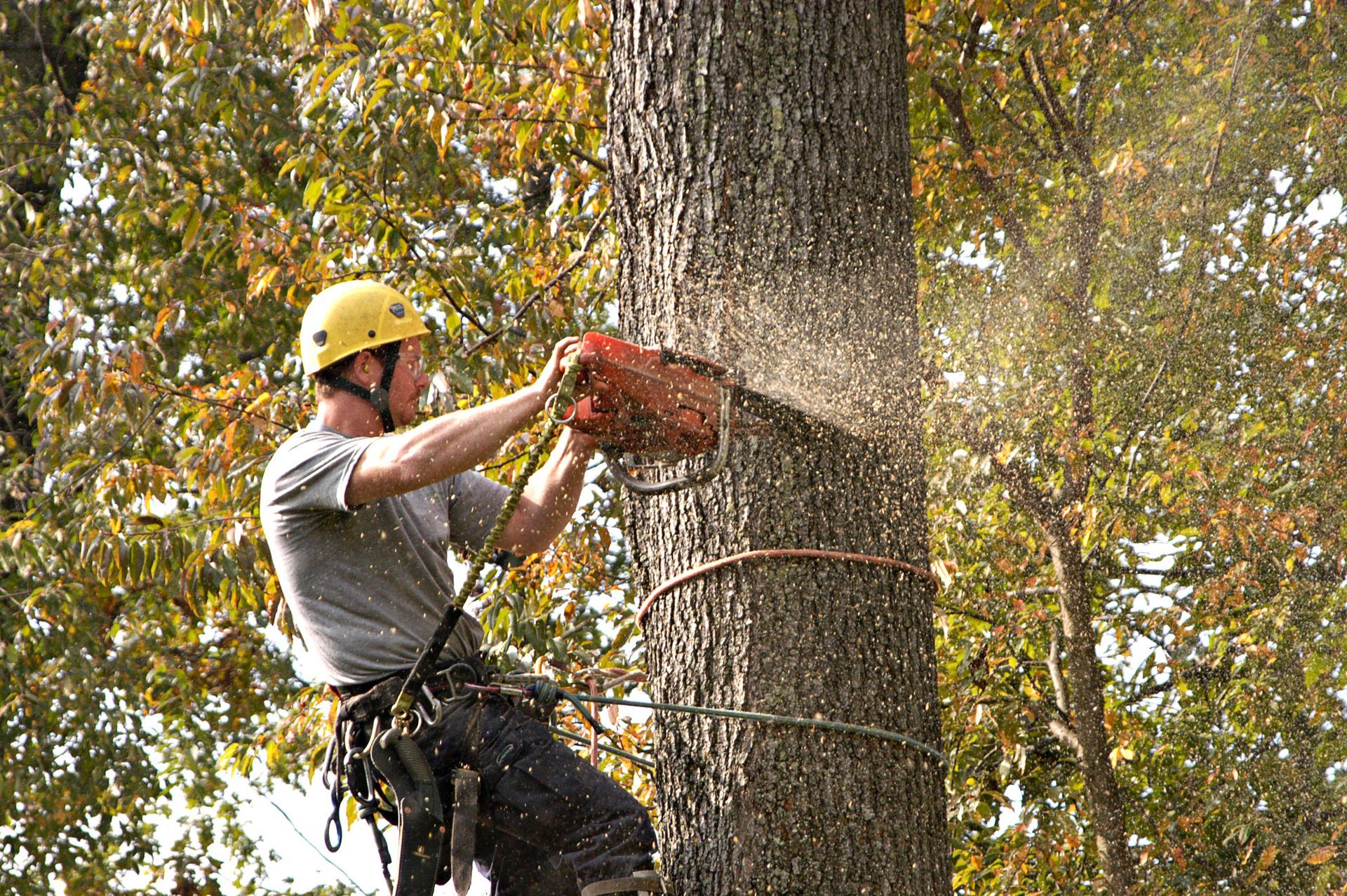
A tree that has been trimmed on a regular schedule looks different from one that has been left alone. It has a stronger shape, cleaner branches, and fewer hazards hanging over your roof or driveway. Many homeowners put off trimming until a limb breaks or the canopy becomes overgrown, but waiting often costs more than staying ahead of the problem. Regular trimming is one of the simplest ways to protect your trees and your property at the same time. Below, we'll explain the benefits of regular tree trimming and how tree companies like ours can help you keep your trees healthy, safe, and attractive.
Understanding How Common Tree Care Is
Trimming is one of the most widely available tree services, and the industry is large. According to IBISWorld, there are 175,000 tree trimming services in the United States. That number reflects how many homeowners and businesses rely on professional help to keep their trees in shape. It also means there are a lot of choices, so it pays to look closely at experience and credentials. Tree companies like ours are used to answering questions about how often to trim, what's safe, and when a tree needs more than a haircut. Knowing the benefits helps you decide how to plan your own schedule. It also helps you ask better questions when you talk with a provider.
Improving Tree Health
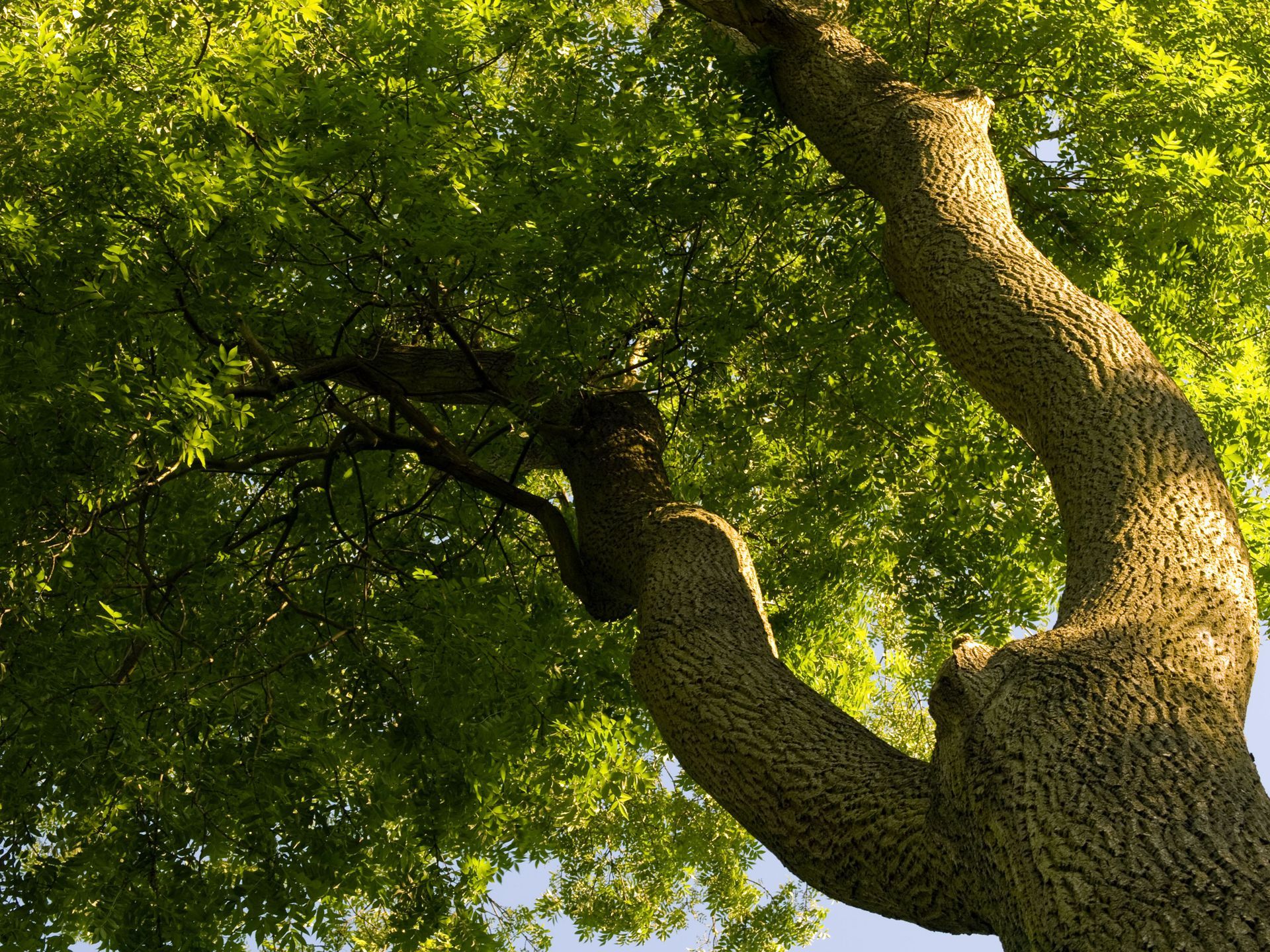
Trimming does more than make a tree look neat. Removing dead, damaged, and diseased branches helps stop problems from spreading and gives the tree a chance to focus its energy on healthy growth. Thinning crowded areas improves airflow and sunlight, which can make it harder for fungus and pests to settle in. Regular attention also lets you catch warning signs early, like cracked limbs, hollow areas, or unusual growth. The right cuts at the right time help trees heal cleanly. Poor cuts can do more harm than good, so it's wise to rely on trained professionals who understand each species. Health monitoring through the year can show whether a tree is responding well to its care.
Reducing Storm Damage Risk
Heavy branches, weak unions, and overgrown canopies are all vulnerable in wind, ice, and heavy rain. Trimming removes weak or crossing limbs and can reduce the weight and wind resistance of the canopy. Techniques like crown reduction can lessen strain on large branches when done properly, and cabling can add support to trees with weak branch connections. Well-maintained trees tend to hold up better when the weather turns, though no tree is completely storm-proof. Preparing ahead of time is far easier than cleaning up afterward. A tree that is balanced and free of dead wood is also less likely to drop heavy limbs in a gust. Tree companies like ours also provide 24-hour emergency tree services for the times when storms cause damage anyway.
Protecting Your Home and Property
Overhanging limbs can scrape roofs, clog gutters, damage siding, and drop debris on vehicles and patios. Branches that grow too close to chimneys and windows can also give pests easy access to your home. Regular trimming keeps limbs at a safe distance and helps prevent costly repairs. Dead branches are especially risky, since they can fall without warning and injure people or damage property. Keeping an eye on the trees closest to your home is a smart habit. A quick walk around the property after each storm can reveal new problems early. When a branch is too large or too high to reach safely, call a professional instead of attempting the work yourself.
Keeping Clear of Power Lines
Trees that grow into power lines can cause outages, fires, and dangerous situations. Even a small branch touching a line can be a hazard. Clearing vegetation away from utility lines is specialized work that should only be handled by trained crews with proper equipment. Never try to trim near wires on your own, and treat any downed line as live. Regular trimming helps keep growth under control before it becomes a problem. Coordinating with your local utility is also a good idea when trees are close to lines. Our land clearing services include utility line clearing, and tree companies like ours understand the risks of working around lines.
Encouraging Fruit and Flower Production
For fruit and flowering trees, trimming can make a visible difference. Pruning at the right time of year opens the canopy so sunlight reaches the branches that bear fruit or blossoms. It can also help shape the tree so limbs are strong enough to carry a heavy crop. Timing and technique vary by species, and the wrong cut at the wrong time can reduce flowers or fruit for a season. Results depend on the tree, its age, and growing conditions. Young fruit trees in particular benefit from shaping early so they develop a strong structure. We offer fruit tree pruning, and tree companies like ours can recommend a schedule that fits your trees.
Enhancing Curb Appeal
Well-shaped trees add beauty to a property, while overgrown or ragged ones can make a yard look neglected. Regular trimming keeps trees balanced and gives them a clean, intentional look. It can also open up views, brighten lawns and gardens, and show off a home's architecture. Many homeowners find that tidy trees make their property feel more welcoming. While curb appeal can influence how buyers see a home, the effect on value depends on the market and the property. At the very least, healthy, neat trees are a pleasure to live with. They also make outdoor spaces more comfortable by providing balanced shade.
Letting in Light and Air
Dense canopies can block sunlight from reaching grass, flower beds, and the interior of the tree itself. That can lead to thin lawns, weak plantings, and damp, shaded areas that encourage moss and mold. Thinning the canopy lets light and air move through, which helps the surrounding area stay healthier. Good airflow also helps leaves dry faster after rain, which may reduce some disease problems. Selective trimming is better than heavy cutting, since removing too much can stress the tree. A professional can balance the amount of light you want with the tree's need for foliage. That balance keeps the tree healthy while still opening up the space beneath it.
Choosing the Right Trimming Schedule and Provider
How often a tree should be trimmed depends on its species, age, growth rate, and location. Young trees often benefit from shaping early on, while mature trees may need less frequent attention but more careful work. Many homeowners schedule an inspection first, then follow a plan based on what the tree needs. Look for a provider that is licensed, bonded, and insured, and ask about certified arborists on staff. Free estimates make it easy to compare options before you commit. Tree companies like ours offer free, same-day, no-obligation estimates, so you can get answers without pressure. Asking for a written plan helps you compare options and decide what makes sense for your trees.
At Kingkiner Tree Service, we've been caring for trees and the people who own them since 1997, serving Southeastern Pennsylvania, including Montgomery, Delaware, Chester, Bucks, and Philadelphia Counties. We're fully licensed, bonded, and insured, and our team includes ISA Certified Arborists. We offer tree pruning, trimming, removal, stump grinding and removal, cabling, crown reduction, fruit tree pruning, health monitoring, land clearing, and 24-hour emergency tree services. Contact Kingkiner Tree Service today to request your free estimate.