February 23, 2026
Tree trimming is often viewed as a simple weekend project, but in reality, it requires a level of expertise that most homeowners do not possess. Trees are living structures with complex growth patterns, health needs, and safety risks that are easy to overlook without proper training. When homeowners attempt trimming on their own, they frequently make mistakes that can permanently damage trees, create safety hazards, or result in costly property repairs. Professional tree trimming services exist to prevent these issues while supporting healthy, attractive landscapes. As demand grows for safer and more effective tree care, local tree companies have become an essential resource for homeowners who want long-term results without unnecessary risk.
1. Improper Pruning That Harms Tree Structure
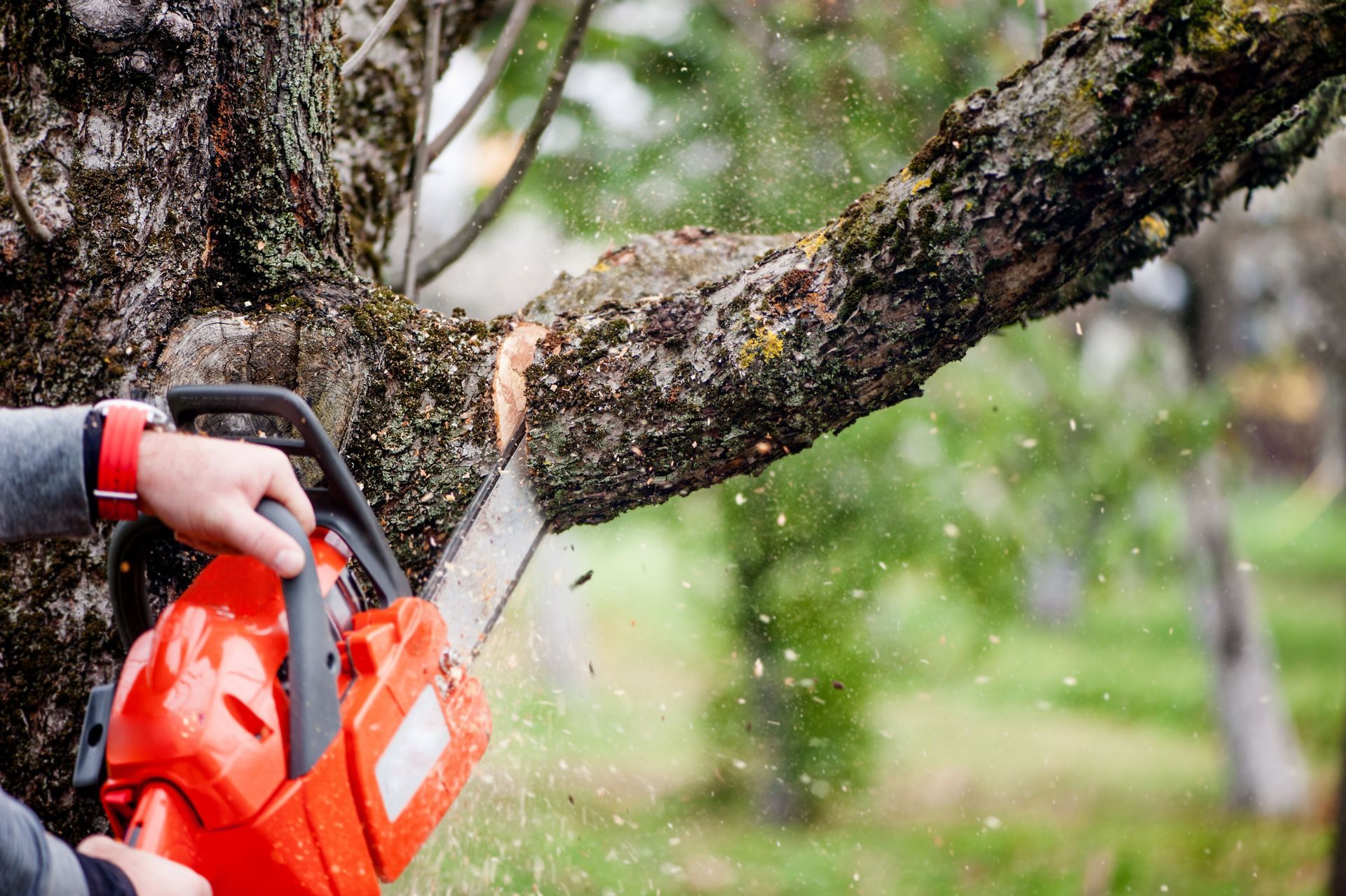
Improper pruning is one of the most common mistakes homeowners make when trimming trees themselves. Removing too many branches can deprive a tree of the leaves it needs to produce energy, weakening its overall structure and leaving it vulnerable to disease. On the other hand, removing too little allows dead or diseased branches to remain, increasing the risk of breakage and pest infestations. Professional trimmers understand how to strike the right balance, ensuring trees retain enough foliage to remain healthy while eliminating growth that threatens stability.
Tree species grow differently, and failing to account for these natural patterns often leads to poor outcomes. Local tree companies are trained to recognize species-specific structures and growth habits, allowing them to make precise cuts that support long-term development. They also understand where cuts should be placed to encourage natural healing. Incorrect cut placement can slow recovery, invite decay, or create weak regrowth. By using proper tools and techniques, professionals protect the structural integrity of trees and help them thrive rather than decline.
2. Ignoring Safety Risks During Trimming
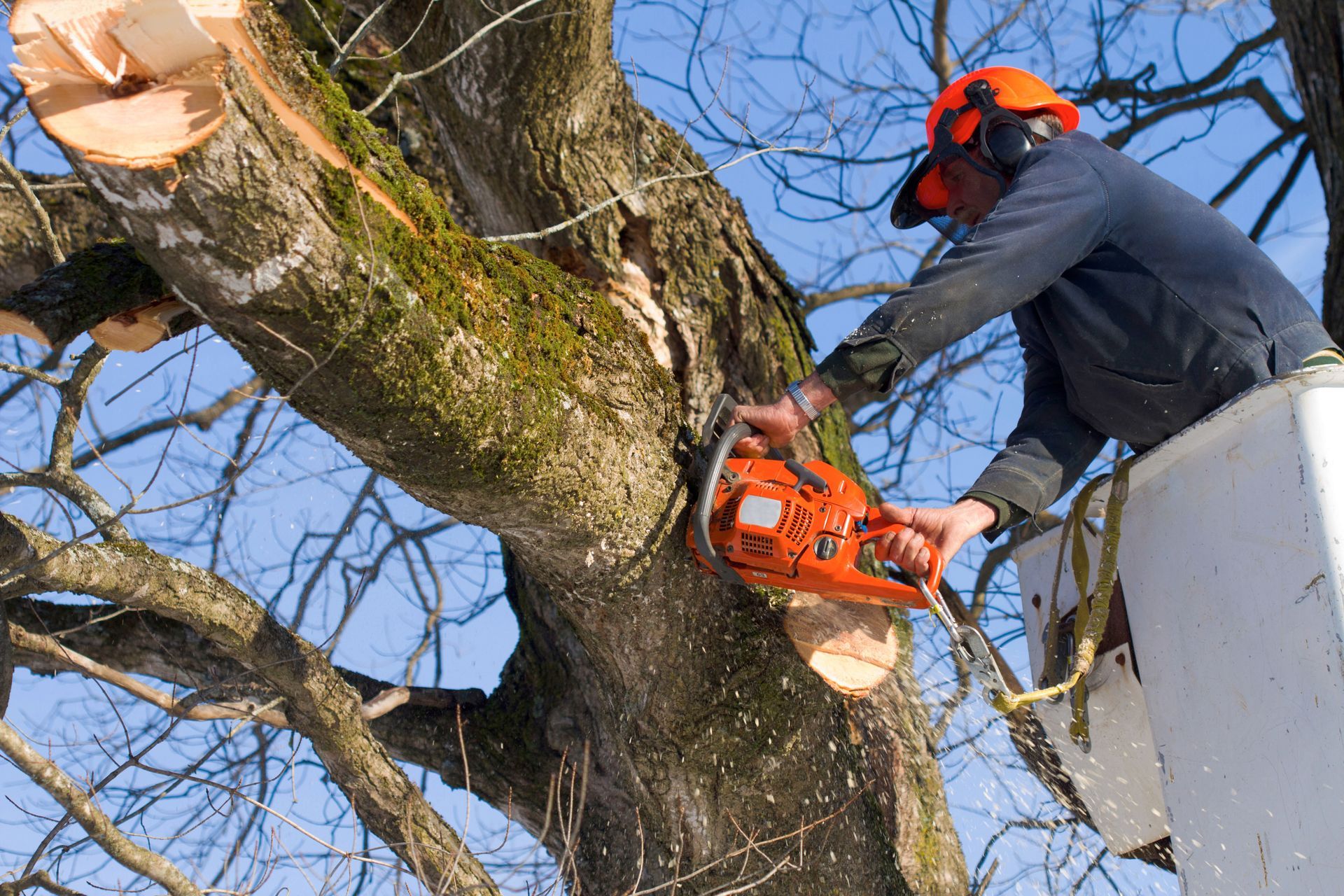
Tree trimming is inherently dangerous, especially when it involves tall trees, heavy limbs, or unstable growth. Many homeowner injuries occur when individuals attempt to climb trees or ladders without proper safety equipment. Falls can result in serious or even fatal injuries. Professional crews are trained to work at heights using harnesses, lifts, and controlled cutting techniques that dramatically reduce risk.
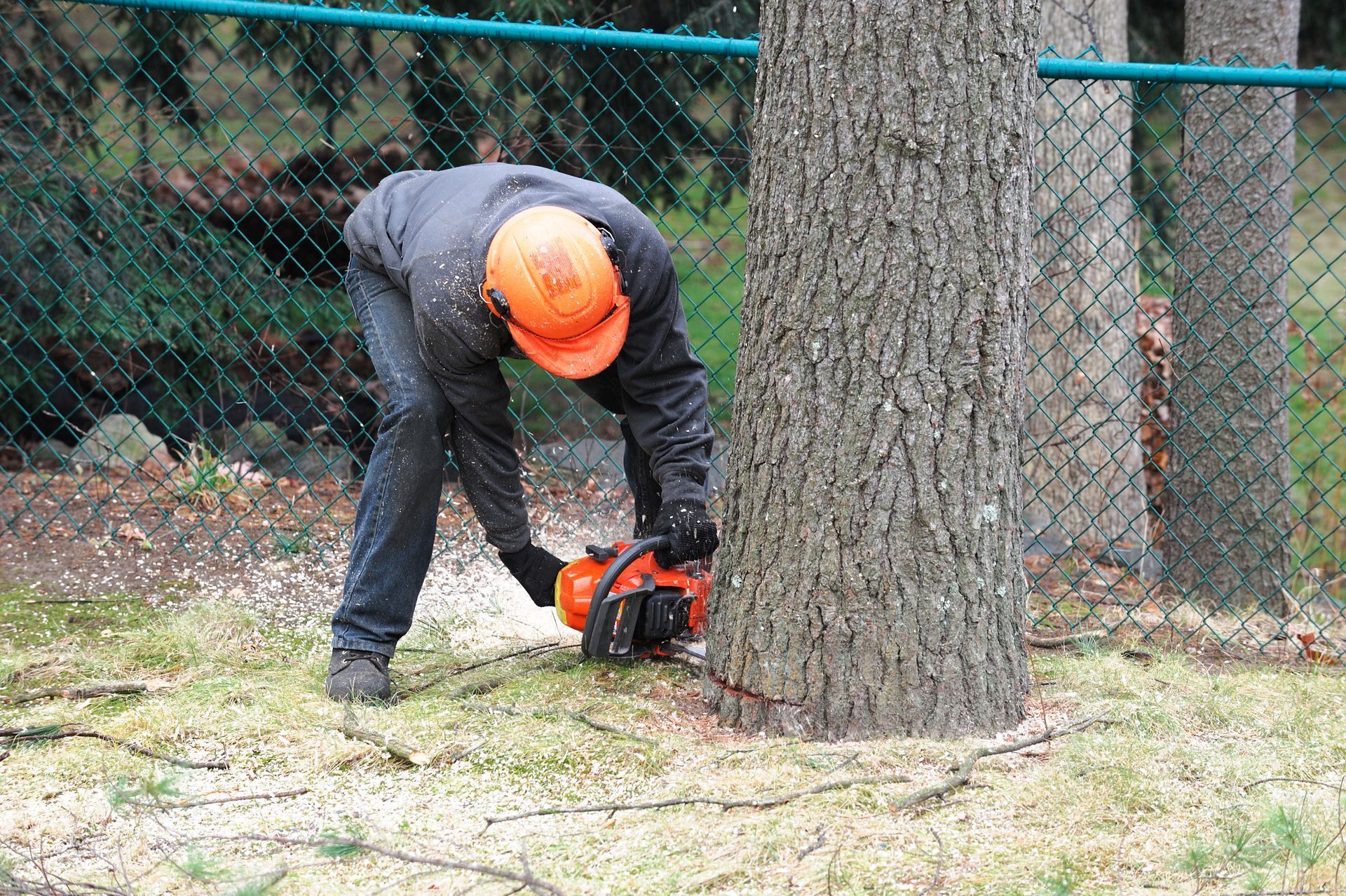
Power tools introduce additional hazards. Chainsaws and pole saws require skill and experience to operate safely. Without training, homeowners face a high risk of injury or accidental property damage. Local tree companies invest in safety education and follow strict protocols to ensure tools are used responsibly. Trees growing near power lines pose an even greater danger, as improper trimming can result in electrocution. Professionals understand clearance requirements and safety regulations, allowing them to manage these situations safely and effectively. Hiring experts eliminates many of the dangers associated with DIY trimming.
3. Causing Property and Landscape Damage
Property damage is another frequent consequence of inexperienced tree trimming. Falling branches can damage roofs, siding, windows, or gutters if cuts are not carefully planned. Professionals evaluate each tree and determine how limbs should be removed to avoid contact with structures. This controlled approach protects homes while still achieving the desired trimming results.
Landscaping features are also at risk during tree trimming. Gardens, shrubs, and decorative elements can be crushed by falling debris when homeowners lack proper planning. Local tree companies take time to assess the surrounding area and use methods that guide branches safely away from sensitive features. Driveways and walkways are particularly vulnerable to cracking when heavy limbs fall uncontrolled. Professionals use sectional cutting and rigging techniques to prevent impact damage, preserving pavement and reducing repair costs. This level of care ensures tree trimming enhances property value rather than diminishing it.
4. Overlooking Tree Health Issues
Tree health requires ongoing observation and specialized knowledge. Diseases and pest infestations often develop gradually, making them difficult for homeowners to detect early. By the time symptoms are visible, damage may already be extensive. Professional arborists are trained to identify early warning signs and recommend appropriate treatments to prevent further decline. They can also assess subtle changes in leaf color, bark texture, or growth patterns that indicate underlying problems. Early intervention not only preserves the tree’s health but can also save homeowners from costly removal or replacement expenses.
Soil conditions, nutrient levels, and watering practices also affect tree health. Different species require different care strategies, and improper fertilization or watering can weaken trees over time. Local tree companies assess environmental conditions and provide guidance tailored to each tree’s needs. Pest management is another area where professional expertise matters. Rather than relying on harmful chemicals, professionals often use targeted, environmentally responsible treatments. This comprehensive approach ensures trees remain healthy, resilient, and capable of withstanding environmental stressors.
5. Neglecting Long-Term Growth and Stability
Trees are long-term investments that require thoughtful care over many years. Seasonal growth cycles determine when pruning should occur, and trimming at the wrong time can interfere with natural development. Professionals understand these cycles and schedule work to minimize stress while encouraging healthy regrowth. Proper timing also helps trees heal more efficiently, reducing the likelihood of disease or pest intrusion. Over time, this strategic approach supports stronger branch structure and more balanced growth. Consistent, well-timed care ensures trees continue to add value and beauty to a property for decades.
Structural stability is especially important for mature trees. Poorly maintained trees are more likely to fail during storms or high winds. Local tree companies identify weak branch unions, overcrowded canopies, and uneven growth patterns that can compromise stability. Strategic pruning improves airflow and light penetration, strengthening the tree and reducing the risk of disease. By focusing on long-term health rather than short-term appearance, professionals help trees remain safe, strong, and attractive throughout their lifespan.
6. Failing to Consider Environmental Impacts
Tree trimming decisions affect more than individual properties; they also impact local ecosystems. Professionals consider wildlife habitats when trimming, preserving nesting areas and shelter whenever possible. This balanced approach supports biodiversity while maintaining tree health. Thoughtful trimming can help sustain pollinators, birds, and small mammals that rely on trees for food and protection. By making informed decisions, professionals minimize disruption to natural cycles within the landscape. This careful planning allows trees and surrounding wildlife to coexist in a healthier, more resilient environment.
Waste management is another important environmental consideration. Professional crews recycle branches into mulch or dispose of debris responsibly, reducing landfill impact. Many local tree companies emphasize sustainable practices, using efficient equipment and minimizing environmental disruption. According to IBISWorld, the tree service industry is projected to reach $39.5 billion by 2025, reflecting increased reliance on professional, environmentally responsible care. By hiring experts, homeowners contribute to sustainable land management while preserving the ecological benefits trees provide, including carbon sequestration and improved air quality.
Attempting to trim trees without professional knowledge often leads to safety risks, property damage, and long-term harm to tree health. Hiring experienced professionals helps homeowners avoid these common mistakes while ensuring trees remain healthy, stable, and visually appealing. Local tree companies bring the expertise, equipment, and foresight needed to manage trees responsibly and safely. Their training allows them to anticipate potential issues before they become costly problems, while their experience ensures every cut supports long-term tree health. Professional services also provide peace of mind by reducing liability and ensuring work is completed according to industry safety standards. This level of care helps homeowners protect both their investment and the surrounding environment. For dependable results that protect your property and your landscape, trust Kingkiner Tree Service to handle your tree trimming needs with care and precision.